10 Fruit Seeds You Can Easily Germinate at Home Using Water
10 Fruit Seeds You Can Easily Germinate at Home Using Water
Growing fruit plants from seeds is one of the easiest and most rewarding gardening projects you can try. Better yet, many of the seeds you need are already hiding inside the fruit you eat every day.
While not every seed will germinate—and seedlings grown from supermarket fruit won’t always produce fruit identical to the parent plant—they’re still fascinating to grow and make excellent houseplants or long-term gardening experiments.
Here’s how to get started with ten popular fruit seeds that germinate easily at home.
Choosing the Right Water
Before placing any seed in water, remember that water quality matters.
Whenever possible, use:
- Filtered water
- Rainwater
- Bottled water
Heavily chlorinated tap water may slow germination for some species.
Refresh the water every few days to keep it oxygen-rich and prevent bacteria or mold from developing.
Although the USDA hardiness zones listed below describe where these plants can grow outdoors, many can also be grown indoors in containers if your climate is too cold.
1. Avocado (USDA Zones 9–11)
The large avocado pit is one of the easiest fruit seeds to germinate in water.
After cleaning the seed thoroughly, insert three toothpicks around the middle and suspend it over a glass so the bottom third remains submerged.
Place the container somewhere warm with bright, indirect light and refill the water as needed.
Germination time: Approximately 2–6 weeks, although some seeds may take longer.
2. Mango (USDA Zones 9–11)
Inside every mango is a large seed enclosed within a tough outer husk.
Carefully remove the husk and extract the seed before wrapping it in a damp paper towel or placing it in a shallow container with a small amount of water.
Keep it somewhere warm throughout the germination process.
Germination time: Usually 1–3 weeks.
3. Dragon Fruit (USDA Zones 9–11)
Dragon fruit contains hundreds of tiny black seeds that sprout surprisingly quickly.
Rinse the seeds thoroughly to remove all fruit pulp before placing them on a damp paper towel or cloth.
Rather than submerging them in water, keep them in a humid environment with plenty of warmth and bright light.
Germination time: Around 5–10 days under warm conditions.
4. Apple (USDA Zones 3–8)
Apple seeds require a period of cold stratification before they will sprout.
Wrap clean seeds in a damp paper towel, seal them inside a plastic bag, and refrigerate them for 6–8 weeks.
After chilling, move them to a warm location and plant them in moist soil.
Germination time after stratification: 1–3 weeks.
5. Cherry (USDA Zones 4–8)
Cherry seeds also need a prolonged cold period before they begin growing.
Carefully crack the hard outer pit without damaging the seed inside.
Wrap the seed in a moist paper towel, seal it inside a bag, and refrigerate it for approximately three months.
Once chilled, transfer it to soil and keep it warm.
Germination time: Approximately 3–6 weeks after stratification.
6. Lemon (USDA Zones 9–11)
Fresh lemon seeds germinate readily if cleaned properly.
Wash away every trace of fruit pulp before placing several seeds in a shallow dish containing a small amount of water or inside a damp paper towel.
Keeping several seeds together increases your chances of success.
Replace the water daily to prevent mold.
Germination time: Usually 1–3 weeks.
7. Lime (USDA Zones 9–11)
Lime seeds germinate much like lemon seeds.
Use fresh seeds immediately after removing them from the fruit, as dried seeds lose viability quickly.
Keep them warm and slightly moist until roots begin to develop.
Germination time: Around 1–3 weeks.
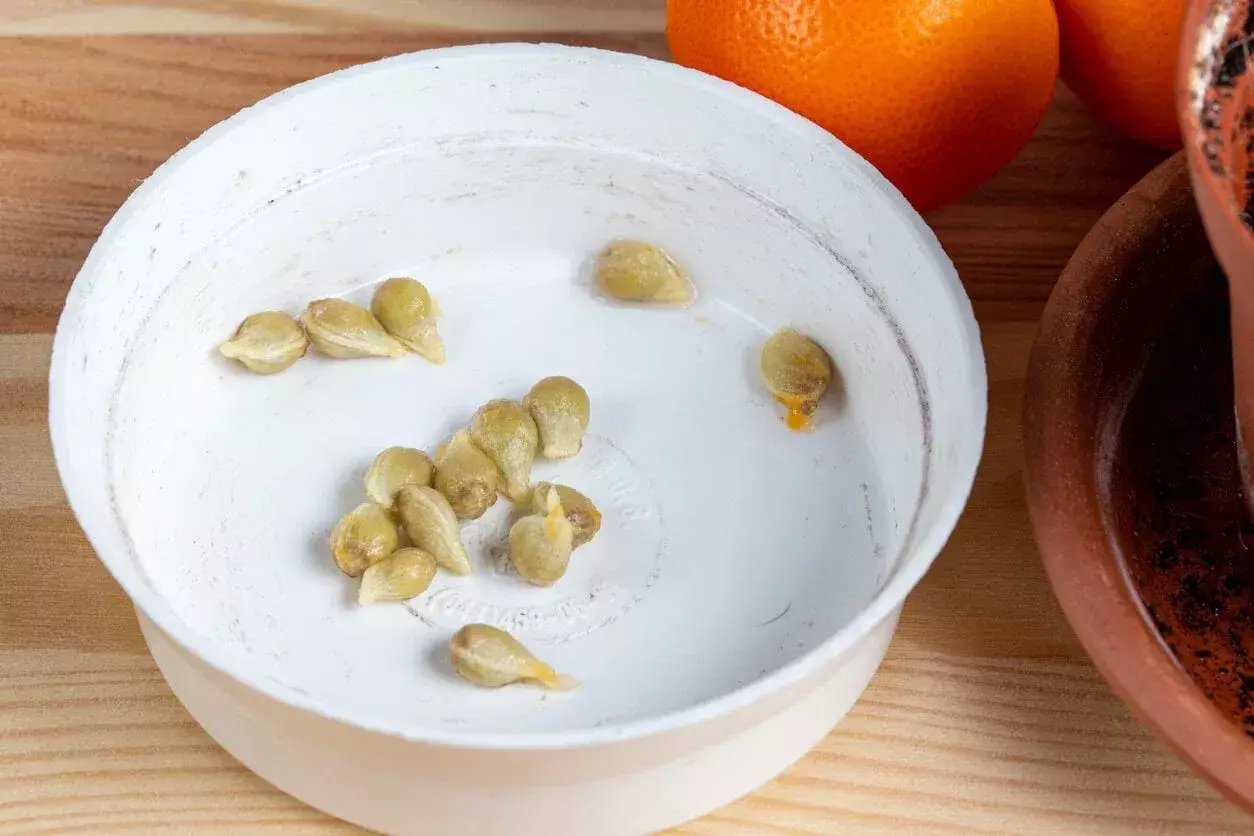
8. Orange (USDA Zones 9–11)
Orange seeds are another excellent choice for beginners.
Clean the seeds thoroughly and start them in a shallow layer of water or a damp paper towel.
Fresh seeds almost always perform better than older, dried ones.
Keep in mind that citrus trees grown from seed often produce fruit that differs from the original variety.
Germination time: Approximately 2–4 weeks.
9. Grapefruit (USDA Zones 9–11)
Grapefruit seeds germinate using exactly the same method as oranges and lemons.
Keep them warm, moist, and clean throughout the process.
Fresh seeds generally germinate more reliably than stored ones.
Germination time: Around 2–3 weeks.
10. Pineapple (USDA Zones 9–11)
Although most gardeners propagate pineapples from the leafy crown, they can also be grown from seed.
Tiny seeds are occasionally found just beneath the fruit’s skin.
Clean them thoroughly and place them on a moist surface rather than completely submerging them in water.
Pineapple seeds require warmth, humidity, and plenty of patience.
Germination time: Several weeks to several months.
Tips for Successful Seed Germination
Following a few simple guidelines will greatly improve your success rate.
- Change the water regularly to keep it fresh.
- Remove every trace of fruit pulp before starting.
- Keep seeds consistently warm.
- Avoid allowing seeds to dry out completely.
- Don’t leave seeds sitting in stagnant water.
- Discard any seeds that become moldy or soft.
- Transfer seedlings into potting soil once roots and shoots have developed.
- Start several seeds instead of relying on only one.
- Be patient—some species germinate within days, while others need several weeks.
Can Fruit Trees Grown from Seed Produce Fruit?
Yes—but there are a few important things to remember.
Many fruit trees grown from seed:
- Take several years before producing fruit.
- May never produce fruit indoors.
- Often grow fruit that differs from the original supermarket fruit because many commercial varieties are hybrids.
Even so, growing fruit plants from seed is an enjoyable, inexpensive way to learn about plant growth and fill your home with attractive greenery.
Final Thoughts
You don’t need expensive equipment or a greenhouse to enjoy growing fruit plants from seed. A few clean containers, fresh water, warmth, and a little patience are often all that’s required to watch new life emerge.
Whether you choose an avocado pit, a lemon seed, or the tiny seeds from a dragon fruit, every successful sprout is a rewarding reminder that even kitchen scraps can become thriving plants.
Start with a few different fruits, experiment with the methods that work best for you, and enjoy watching your miniature indoor orchard take shape—one seed at a time.