15 Vegetables You Can Still Plant in Late July for a Delicious Fall Harvest
15 Vegetables You Can Still Plant in Late July for a Delicious Fall Harvest
Many gardeners think that by the end of July, the planting season is coming to an end. Summer crops are already producing, temperatures are high, and it can feel as though the only task left is harvesting.
In reality, late July marks the beginning of another productive growing season.
The warm soil encourages fast germination, while the cooler temperatures of late summer and early autumn create ideal conditions for many vegetables. In fact, several crops become sweeter and more flavorful after experiencing light frost.
By choosing the right vegetables now, you can continue harvesting fresh produce well into autumn—and in some climates, even into winter.
Here are 15 vegetables that are well suited for planting at the end of July.
1. Bush Beans
Days to Harvest: 45–60 days
Bush beans grow quickly and begin producing within a relatively short period.
Unlike pole beans, they don’t require a long growing season or extensive support, making them an excellent choice for late-summer planting.
2. Carrots
Days to Harvest: 60–75 days
Carrots planted in late July often develop during the cool days of autumn.
Lower temperatures can improve their sweetness, making fall-grown carrots especially flavorful.
Keep the soil evenly moist while seeds are germinating, as carrot seeds can take longer to emerge than many other vegetables.
3. Kale
Days to Harvest: 50–60 days
Kale is one of the most cold-tolerant vegetables you can grow.
Once established, it continues producing leaves through cool weather and often survives light frosts with no problem.
Many gardeners find that the flavor actually improves after cold nights.
4. Spinach
Days to Harvest: 35–45 days
Spinach prefers cool growing conditions.
Planting it toward the end of July allows it to mature as temperatures gradually decrease, reducing the likelihood of premature flowering.
The result is tender, productive plants that provide fresh leaves throughout autumn.
5. Beets
Days to Harvest: 50–60 days
Beets provide two harvests in one.
The roots can be roasted, boiled, or pickled, while the young leaves are excellent in salads or cooked like spinach.
They perform particularly well as temperatures begin to cool.
6. Radishes
Days to Harvest: 21–30 days
Few vegetables mature as quickly as radishes.
Late-July sowings often avoid some of the pest pressure common in spring and produce crisp, flavorful roots in just a few weeks.
Successive sowings every couple of weeks can extend the harvest well into autumn.
7. Swiss Chard
Days to Harvest: 50–60 days
Swiss chard tolerates both summer warmth and cooler autumn weather.
Its colorful stems and nutritious leaves can be harvested repeatedly, making it one of the longest-producing vegetables in the garden.
8. Turnips
Days to Harvest: 40–50 days
Fast-growing turnips are well suited to late-summer planting.
Both the roots and leafy tops are edible, and cool weather often produces a sweeter, milder flavor.
9. Bok Choy
Days to Harvest: 30–45 days
Bok choy grows quickly and prefers cooler conditions.
Planting it in late July or early August often results in crisp stems and tender leaves with less risk of bolting than spring plantings.
10. Broccoli Raab (Rapini)
Days to Harvest: 40–45 days
Broccoli raab develops quickly and is harvested for its leafy stems and flower buds rather than large heads.
Its slightly bitter flavor becomes a delicious addition to many autumn dishes.
11. Leaf Lettuce
Days to Harvest: 40–50 days
Loose-leaf lettuce is perfect for late-season gardens.
Keep young seedlings well-watered during hot weather, and they’ll thrive as temperatures gradually cool.
Harvest outer leaves regularly to encourage continuous growth.
12. Arugula
Days to Harvest: 30–40 days
Arugula grows rapidly and develops its characteristic peppery flavor during cool weather.
Harvest the outer leaves frequently, allowing the center of the plant to continue producing new growth.
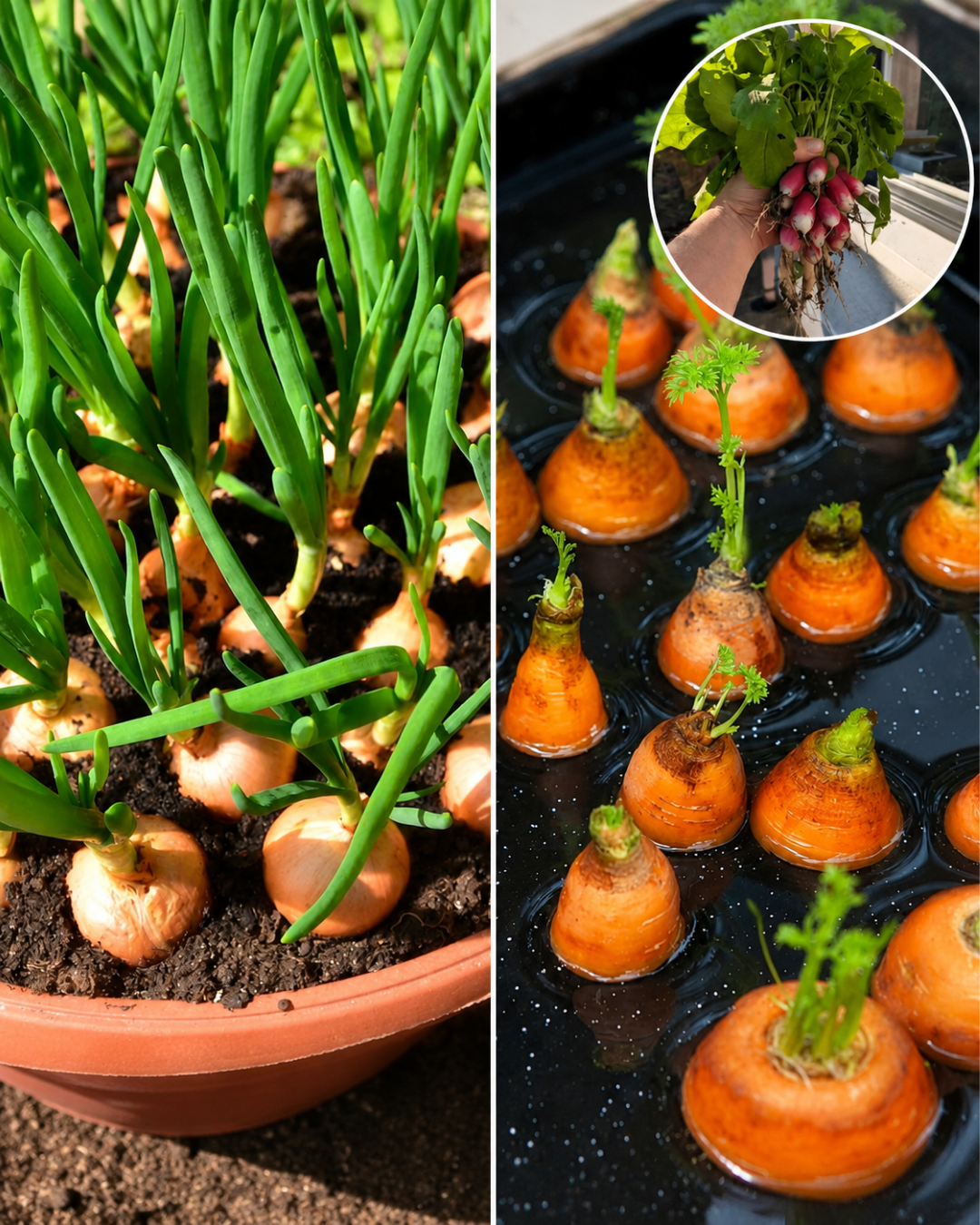
13. Green Onions
Days to Harvest: Around 60 days
Green onions establish quickly in warm soil and can be harvested over an extended period.
In milder climates, some plants may even survive winter and continue growing the following spring.
14. Snap Peas or Snow Peas
Days to Harvest: 55–65 days
Peas appreciate cool autumn temperatures.
Late-summer sowings often produce sweet, tender pods just as the weather becomes more comfortable for both plants and gardeners.
15. Kohlrabi
Days to Harvest: 45–55 days
Kohlrabi is an easy-to-grow member of the cabbage family that develops a crisp, mildly sweet swollen stem above ground.
It tolerates cool temperatures well and remains productive into autumn.
Tips for Successful Late-July Planting
Growing vegetables in midsummer requires a few adjustments compared with spring planting.
Refresh the Soil
Remove finished crops and weeds before planting.
Mix compost or other organic matter into the soil to replace nutrients used by earlier vegetables.
Water Before Sowing
Dry summer soil can reduce germination.
Water the planting area thoroughly before sowing seeds so the soil remains evenly moist during the first stages of growth.
Protect Young Seedlings
New seedlings can struggle in intense summer sunshine.
Providing temporary shade during the hottest part of the day helps reduce heat stress while plants become established.
Mulch After Germination
Once seedlings emerge, apply a light layer of straw, shredded leaves, or other organic mulch.
Mulch helps conserve moisture, regulate soil temperature, and reduce weed growth.
Extra Tip for Carrots
Carrot seeds need consistent moisture to germinate successfully.
Covering freshly sown rows with burlap, cardboard, or a wooden board for several days can help keep the soil cool and prevent it from drying out.
Remove the cover as soon as seedlings begin to emerge.
Why Late-Summer Gardening Is Worth It
Many vegetables actually perform better when they mature during the cooler months of the year.
Cooler temperatures often improve flavor, reduce heat stress, and slow bolting in leafy crops. Some vegetables even become sweeter after experiencing light frost.
By making use of the weeks remaining after July, you can enjoy fresh vegetables long after many gardens have finished producing.
Final Thoughts
The end of July isn’t the end of the gardening season—it’s the beginning of a new opportunity.
With warm soil, careful watering, and the right crop selection, you can fill empty garden beds with fast-growing vegetables that provide abundant harvests throughout autumn.
Whether you’re growing leafy greens, root vegetables, or quick-producing beans, a little planting now can keep your garden productive for months to come.