8 Flower Seeds You Should Harvest in August Before They Disappear
8 Flower Seeds You Should Harvest in August Before They Disappear
August is one of the most rewarding months for gardeners who enjoy saving seeds. As many annuals and perennials finish flowering, their seed heads begin to dry, providing the perfect opportunity to collect healthy seeds for next year’s garden.
Harvesting seeds now not only saves money but also allows you to preserve your favorite flower varieties and grow plants that are already well adapted to your garden.
Here’s how to know when seeds are ready and eight beautiful flowers whose seeds are worth collecting before summer comes to an end.
Why August Is the Best Time to Save Flower Seeds
By late summer, many flowering plants have completed their blooming cycle and begun producing mature seed heads.
Collecting seeds in August offers several advantages:
- Seeds have usually reached full maturity.
- Dry weather reduces the risk of mold during storage.
- Wind, birds, and heavy rain are less likely to scatter the seeds before you collect them.
- You’ll have a ready supply of flowers to sow next season at no extra cost.
Leave a few seed heads in the garden as well—they provide food for birds and beneficial wildlife throughout autumn and winter.
How to Tell When Seeds Are Ready
Not every flower finishes at the same time, but mature seeds usually share a few common characteristics.
Look for:
- Dry, brown seed heads or pods
- Crispy stems
- Seeds that separate easily from the plant
- Pods that rattle when shaken
Avoid collecting:
- Green or soft seed pods
- Moist or immature seeds
- Seed heads showing signs of mold
Before storing any seeds, allow them to air-dry for several days in a cool, well-ventilated location.
Store completely dry seeds in labeled paper envelopes or airtight containers in a cool, dry place.
1. Marigold (Tagetes)
Marigolds produce some of the easiest seeds to collect.
Once the flowers have completely dried, gently pull apart the flower head to reveal the long, slender black seeds hidden beneath the petals.
Harvest Tips
- Wait until the flower head is completely dry.
- Remove the seeds carefully.
- Allow them to dry completely before storing.
Marigold seeds remain viable for several years when stored properly.
2. Zinnia
Zinnias are another excellent flower for beginner seed savers.
Allow the flower head to dry naturally on the plant until the center becomes brown and firm.
Each dried petal usually contains a seed attached near its base.
Harvest Tips
- Wait until petals are dry and brittle.
- Separate the petals gently.
- Remove and dry the attached seeds before storage.
Saving seeds from your healthiest plants often produces stronger flowers next season.
3. Cosmos
Cosmos plants produce large numbers of slender seeds once flowering ends.
If left untouched, they readily self-seed throughout the garden.
Harvest Tips
- Collect seeds as soon as they turn dark and dry.
- Harvest before windy weather scatters them.
- Store only fully mature seeds.
Saving a portion while allowing a few to self-seed gives you the best of both worlds.
4. Nigella (Love-in-a-Mist)
Nigella develops attractive balloon-like seed pods that gradually dry and turn brown.
These pods contain dozens of small black seeds.
Harvest Tips
- Cut mature pods once they become dry.
- Allow them to finish drying indoors.
- Shake the seeds into a container before storage.
Even if a few pods are missed, Nigella often reseeds naturally.
5. Calendula
Calendula produces distinctive curved seeds that are easy to recognize.
Once the flower base dries completely, the seeds loosen naturally.
Harvest Tips
- Wait until the flower head becomes brown.
- Remove the curved seeds carefully.
- Dry thoroughly before storing.
Calendula seeds germinate reliably when planted the following season.
6. Purple Coneflower (Echinacea)
Coneflowers store their seeds inside the raised central cone.
Allow the cone to dry completely before harvesting.
Harvest Tips
- Wear gloves if desired, as the seed head can feel prickly.
- Rub the cone gently to release the seeds.
- Leave several seed heads standing for birds during winter.
Goldfinches and many other birds rely on coneflower seeds as a valuable food source.
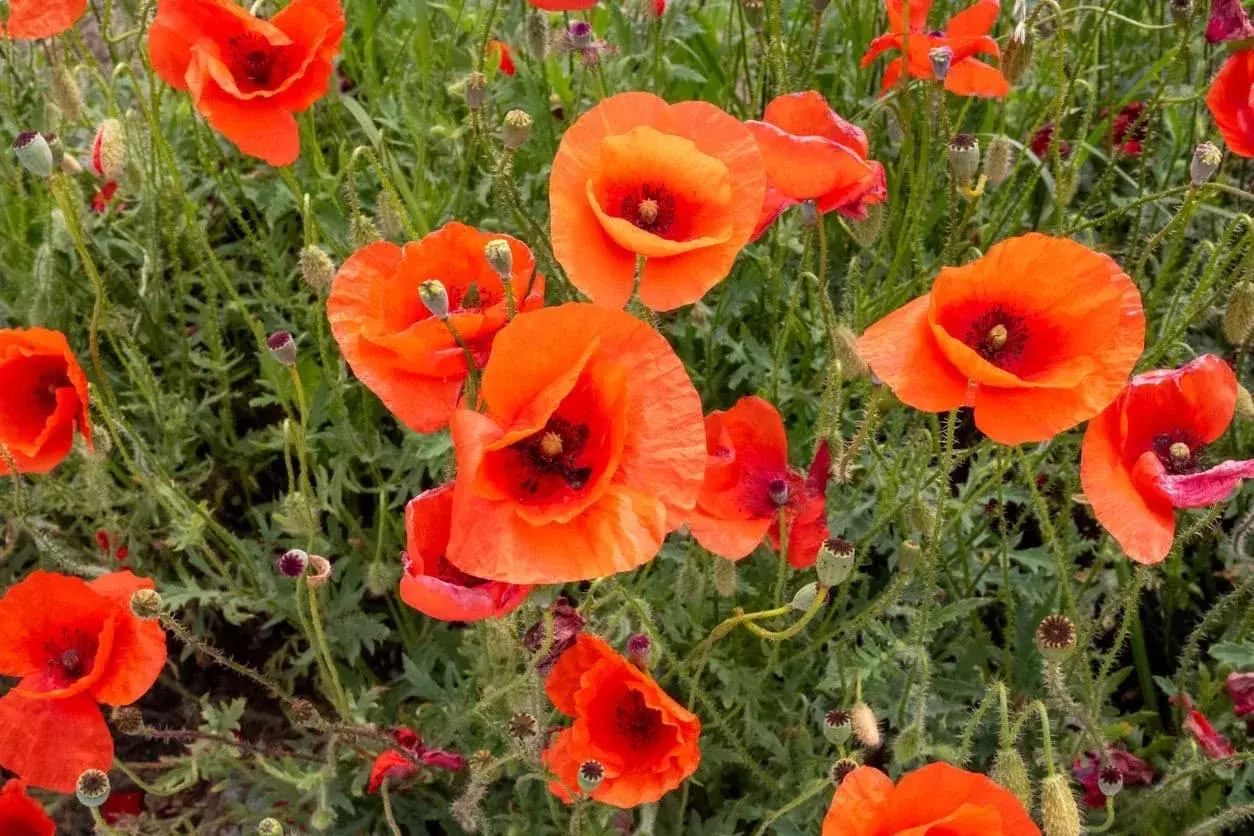
7. Poppy (Papaver)
Poppy seed pods provide one of the easiest ways to judge maturity.
When ripe, the pods produce a noticeable rattling sound as the loose seeds move inside.
Harvest Tips
- Cut the dry seed pods.
- Hold them upside down over a paper bag or container.
- Shake gently to release the seeds.
Store poppy seeds in clearly labeled envelopes until planting time.
8. Black-Eyed Susan (Rudbeckia)
Like coneflowers, Black-Eyed Susans produce their seeds in the dark central cone.
Once the cone becomes completely dry and crisp, the seeds can be removed easily.
Harvest Tips
- Rub the dry seed head gently between your fingers.
- Collect the tiny seeds in a bowl or paper bag.
- Ensure the cone is fully dry before harvesting.
Immature cones still contain developing seeds that should be left on the plant longer.
Best Practices for Storing Flower Seeds
Proper storage helps maintain high germination rates.
For the best results:
- Label every variety with its name and collection date.
- Store seeds in paper envelopes or airtight containers.
- Keep them somewhere cool, dark, and dry.
- Avoid excessive humidity.
- Check occasionally for signs of moisture or mold.
Well-stored flower seeds can remain viable for several years.
Why Saving Seeds Is Worth It
Seed saving offers more than just free plants.
It also helps you:
- Preserve favorite flower varieties.
- Adapt plants to your local growing conditions.
- Support pollinators with reliable annual blooms.
- Share seeds with friends and fellow gardeners.
- Reduce gardening costs year after year.
With only a little effort each August, you’ll have a collection of healthy seeds ready for next spring’s planting season.
Final Thoughts
August is one of the best times to collect flower seeds while seed heads are dry, mature, and easy to harvest. Marigolds, zinnias, cosmos, nigella, calendula, coneflowers, poppies, and Black-Eyed Susans all produce seeds that are simple to save and rewarding to grow again.
Harvest only fully mature seeds, dry them carefully, and store them properly. By next growing season, you’ll have an abundant supply of flowers ready to bring new color and life to your garden—all from seeds you collected yourself.