8 Reliable Perennials to Divide in August for Healthier, Longer-Lasting Gardens
8 Reliable Perennials to Divide in August for Healthier, Longer-Lasting Gardens
Dividing perennials is one of the simplest ways to keep a garden healthy, productive, and full of flowers year after year. As perennial clumps mature, they often become overcrowded, producing fewer blooms and competing with themselves for water and nutrients.
For gardeners in USDA Zones 5–9, August provides ideal conditions for dividing many summer-flowering perennials. The soil is still warm enough to encourage root growth, while cooler autumn temperatures reduce transplant stress. In colder regions, early spring is usually the better time for this task.
Here’s how to recognize when your plants need dividing—and eight dependable perennials that benefit from it.
Signs Your Perennials Need Dividing
Most perennials eventually show clear signs that they’ve become overcrowded.
Look for these common indicators:
- Fewer flowers than in previous years
- Bare or dying centers within the clump
- Plants flopping over or becoming weak
- Dense growth restricting nearby plants
- Clumps that have become too large for their planting space
If you notice several of these symptoms, dividing the plant can restore its vigor and improve flowering.
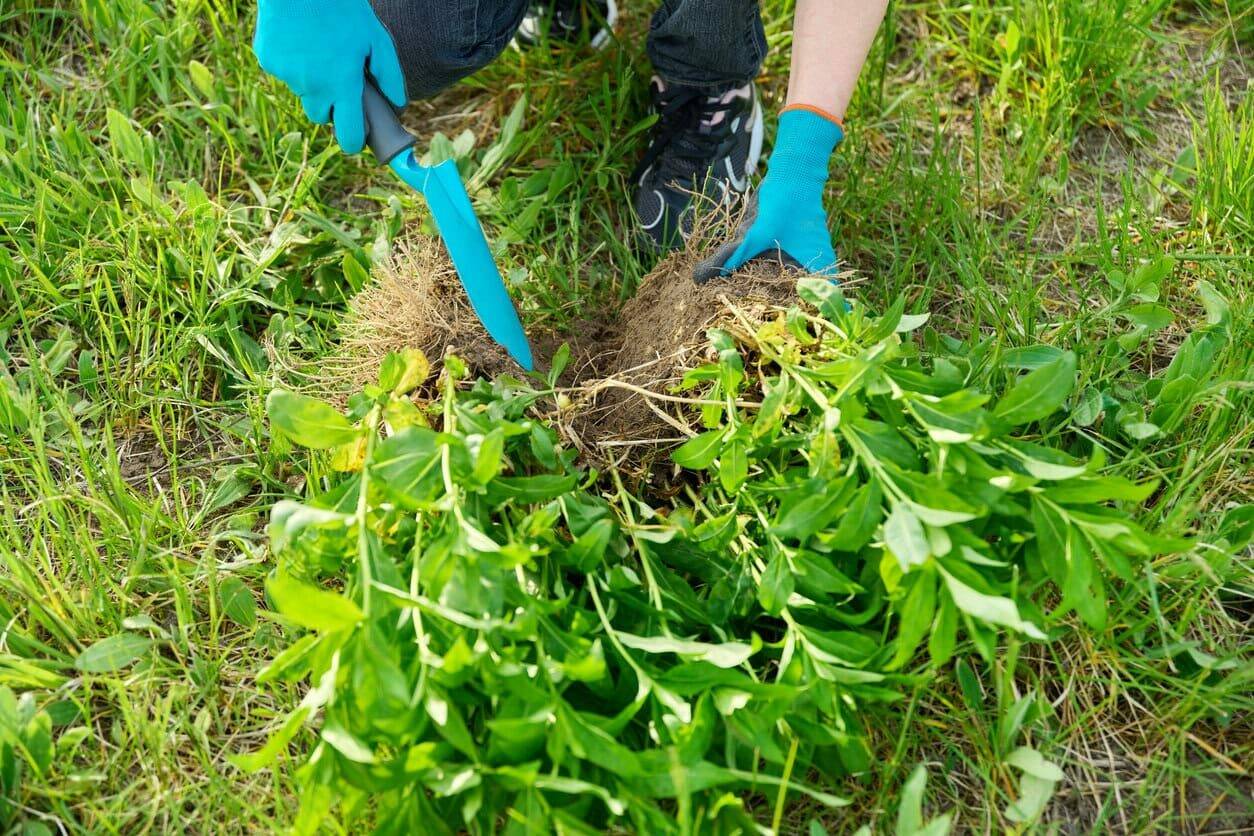
How to Divide Perennials Successfully
Proper preparation helps newly divided plants establish more quickly.
Step 1: Water Thoroughly
Water the plant deeply the day before dividing to reduce transplant stress and soften the soil.
Step 2: Lift the Entire Clump
Use a garden fork or sharp spade to carefully lift the entire root ball from the ground.
Step 3: Remove Excess Soil
Shake or gently wash away loose soil so you can clearly see the roots or rhizomes.
Step 4: Divide the Plant
Separate the clump into healthy sections using your hands, a garden knife, or a sharp spade.
Each division should have:
- Healthy roots
- Several growing shoots
- No signs of rot or disease
Step 5: Replant Immediately
Plant each division at the same depth as before.
Water thoroughly after planting and keep the soil evenly moist for the next few weeks while new roots develop.
1. Daylily (Hemerocallis)
Daylilies naturally form large, dense clumps over time. Dividing them every three to five years encourages stronger growth and more abundant blooms.
Growing Tips
- USDA Zones: 3–9
- Light: Full sun
- Division Frequency: Every 3–5 years
Late summer is an excellent time because flowering has usually finished while the soil remains warm enough for root establishment before winter.
2. Bearded Iris (Iris germanica)
Bearded irises grow from rhizomes that gradually become crowded.
When the center of the clump stops producing healthy growth, it’s time to divide.
Growing Tips
- USDA Zones: 3–9
- Light: Full sun
- Soil: Excellent drainage
After dividing, trim the leaves back to about 4–6 inches (10–15 cm) to reduce moisture loss while the rhizomes establish.
3. Black-Eyed Susan (Rudbeckia)
Black-eyed Susans often spread into dense colonies that compete for space and nutrients.
Dividing them helps maintain vigorous growth and prevents weak, floppy stems.
Growing Tips
- USDA Zones: 4–9
- Light: Full sun
- Soil: Well-drained
Replant only the healthiest divisions with strong root systems.
4. Coreopsis
Coreopsis is known for its long flowering season, but overcrowded plants gradually produce fewer blooms.
Regular division every few years keeps plants compact and encourages fresh flowering stems.
Growing Tips
- USDA Zones: 4–9
- Light: Full sun
- Soil: Well-drained
Separate the clumps carefully with a sharp spade or garden fork before replanting.
5. Shasta Daisy (Leucanthemum × superbum)
Shasta daisies naturally develop woody, hollow centers as they mature.
Dividing them every two to three years rejuvenates the plant and improves flowering.
Growing Tips
- USDA Zones: 5–9
- Light: Full sun
- Soil: Fertile, well-drained
Healthy divisions establish quickly when planted in warm late-summer soil.
6. Yarrow (Achillea)
Yarrow is an extremely tough perennial, but older clumps often develop woody centers that reduce flowering.
Division helps maintain compact growth while preventing the plant from spreading too aggressively.
Growing Tips
- USDA Zones: 3–9
- Light: Full sun
- Soil: Well-drained
Once established, yarrow requires very little maintenance beyond occasional watering during prolonged dry periods.
7. Garden Phlox (Phlox paniculata)
Garden phlox benefits greatly from regular division because improved spacing increases air circulation around the foliage.
Better airflow helps reduce the risk of powdery mildew while encouraging stronger stems and healthier blooms.
Growing Tips
- USDA Zones: 4–8
- Light: Full sun to partial shade
- Soil: Moist, fertile
Divide mature clumps every few years to maintain vigorous growth.
8. Sedum ‘Autumn Joy’ (Hylotelephium)
Sedum is one of the easiest perennials to divide.
When older clumps begin to flop open or die out in the center, simply separate the healthiest sections and replant them.
Growing Tips
- USDA Zones: 3–9
- Light: Full sun
- Soil: Excellent drainage
This drought-tolerant perennial quickly establishes with minimal care.
Tips for Successful August Division
To help your newly divided plants recover:
- Divide on a cool or cloudy day whenever possible.
- Water deeply immediately after planting.
- Apply mulch to help retain soil moisture.
- Avoid heavy fertilization until new growth appears.
- Remove damaged or dead foliage before replanting.
- Keep the soil consistently moist for several weeks.
These simple practices reduce transplant shock and encourage strong root development before winter.
Which Plants Should Not Be Divided?
While many perennials benefit from division, not every plant responds well to being disturbed.
Perennials with deep taproots or slow-growing root systems often prefer to remain undisturbed and may take years to recover if divided.
Always research individual species before attempting division.
Final Thoughts
Dividing perennials is one of the most rewarding maintenance tasks a gardener can perform. It rejuvenates mature plants, improves flowering, reduces overcrowding, and provides free new plants for other areas of the garden.
By dividing reliable perennials such as daylilies, bearded irises, coreopsis, yarrow, garden phlox, sedum, and Shasta daisies in August, you’ll help ensure healthier plants and more spectacular displays for many growing seasons to come.