9 Beautiful Fall Flowers to Plant in August for a Colorful Autumn Garden
9 Beautiful Fall Flowers to Plant in August for a Colorful Autumn Garden
Many gardeners assume that once August arrives, the gardening season is winding down. In reality, late summer is one of the best times to prepare your garden for a spectacular display of autumn color.
Although starting flowers from seed is often too late in many regions, planting healthy nursery-grown perennials gives them enough time to establish strong roots before cooler weather arrives. Some varieties may even bloom this fall, while others will reward you with an even more impressive display next year.
Here are nine outstanding flowering plants that are well worth planting in August.
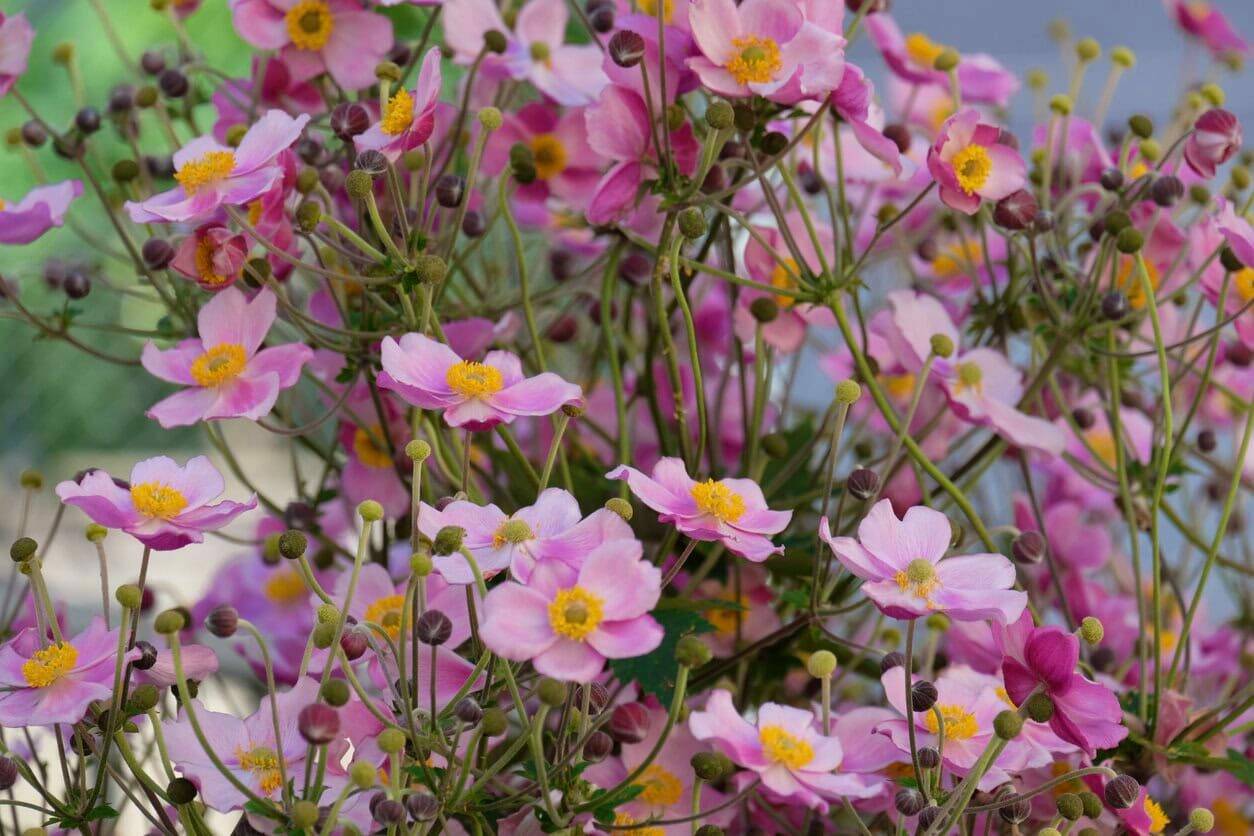
1. Japanese Anemone
Japanese anemones are among the most elegant flowers for extending color into autumn. Their graceful pink or white blooms appear from late summer through early fall, bringing brightness to partially shaded borders.
Growing Tips
- USDA Zones: 5–8
- Light: Partial shade
- Soil: Moist, well-drained soil
- Bloom Time: Late August through October
Although newly planted specimens may take a little time to settle in, they become reliable, long-lived perennials once established.
2. Perennial Coreopsis
If you’re looking for dependable color that lasts well beyond midsummer, perennial coreopsis is an excellent choice.
Popular varieties such as Coreopsis verticillata and Coreopsis grandiflora continue flowering well into fall when grown in sunny locations.
Growing Tips
- USDA Zones: 4–9
- Light: Full sun
- Soil: Well-drained
- Bloom Time: Summer through early fall
Deadheading spent flowers regularly encourages additional blooms throughout the season.
3. Hardy Garden Mums
No flower represents autumn quite like chrysanthemums.
Unlike temporary florist mums, hardy garden varieties can return year after year when planted early enough to establish before winter.
Growing Tips
- USDA Zones: 5–9
- Light: Full sun
- Soil: Fertile, well-drained
- Bloom Time: September through November
Plant nursery-grown mums in August and apply a layer of mulch after the first frost to help protect their roots during winter.
4. Helenium (Sneezeweed)
Helenium produces masses of warm red, orange, and golden flowers that perfectly capture the colors of autumn.
Despite its common name, it does not cause hay fever.
Growing Tips
- USDA Zones: 4–8
- Light: Full sun
- Soil: Moist, fertile soil
- Bloom Time: Late summer through fall
Its vibrant blooms also provide valuable nectar for late-season pollinators.
5. Sedum ‘Autumn Joy’
Few perennials are as easy to grow as Sedum ‘Autumn Joy.’
Its succulent foliage remains attractive all season before developing large flower clusters that gradually deepen from pale pink to rich bronze-red as temperatures cool.
Growing Tips
- USDA Zones: 3–9
- Light: Full sun
- Soil: Excellent drainage
- Bloom Time: Late summer through fall
Once established, this drought-tolerant perennial requires very little maintenance.
6. Purple Coneflower (Echinacea)
Coneflowers are one of the best long-term investments for any perennial border.
Although newly planted specimens may only produce a few flowers this autumn, they usually become much more impressive in following years.
Growing Tips
- USDA Zones: 3–9
- Light: Full sun to partial shade
- Soil: Well-drained
- Bloom Time: Mid-summer through fall
Leave the seed heads after flowering to provide winter food for birds such as goldfinches.
7. New England Aster
New England asters are among the final flowers to bloom each year, providing valuable nectar for butterflies and bees when many other plants have already finished.
Growing Tips
- USDA Zones: 4–8
- Light: Full sun
- Soil: Average to moist
- Bloom Time: September through October
Their vivid purple, pink, or lavender flowers create one of the most colorful displays of the autumn garden.
8. Rudbeckia ‘Goldsturm’ (Black-Eyed Susan)
This classic perennial offers cheerful golden-yellow flowers with dark centers that brighten borders well into autumn.
Growing Tips
- USDA Zones: 4–9
- Light: Full sun
- Soil: Average, well-drained
- Bloom Time: Late summer through fall
Choose well-developed nursery plants if you’d like the best chance of seeing flowers during the first season.
9. Montauk Daisy
Montauk daisy begins flowering just as many summer perennials are fading, making it a perfect choice for extending the gardening season.
Growing Tips
- USDA Zones: 5–9
- Light: Full sun
- Soil: Well-drained
- Bloom Time: Late September through October
This tough perennial tolerates coastal conditions, drought, and poor soils but dislikes sitting in wet ground.
Tips for Planting Nursery Starts in August
To help newly planted perennials establish successfully before winter:
- Plant during the cooler hours of the day.
- Water thoroughly immediately after planting.
- Apply mulch to conserve soil moisture.
- Keep the soil evenly moist for the first few weeks.
- Avoid heavy fertilizing late in the season.
- Remove any weeds competing for moisture.
These simple steps encourage strong root development before colder weather arrives.
Know Your USDA Hardiness Zone
Before purchasing any perennial, check that it is suitable for your USDA Hardiness Zone.
A plant that performs beautifully in one region may struggle in another, especially where winters are significantly colder or warmer.
Choosing plants adapted to your local climate greatly improves their chances of returning and blooming year after year.
Final Thoughts
August is far from the end of the gardening season. In fact, it’s the perfect opportunity to give your landscape a second wave of color. By planting healthy nursery-grown perennials now, you’ll enjoy beautiful autumn flowers this year while building a stronger, more vibrant garden for seasons to come.
Whether you choose elegant Japanese anemones, colorful asters, cheerful black-eyed Susans, or dependable garden mums, these late-season bloomers will keep your garden looking fresh long after summer begins to fade.