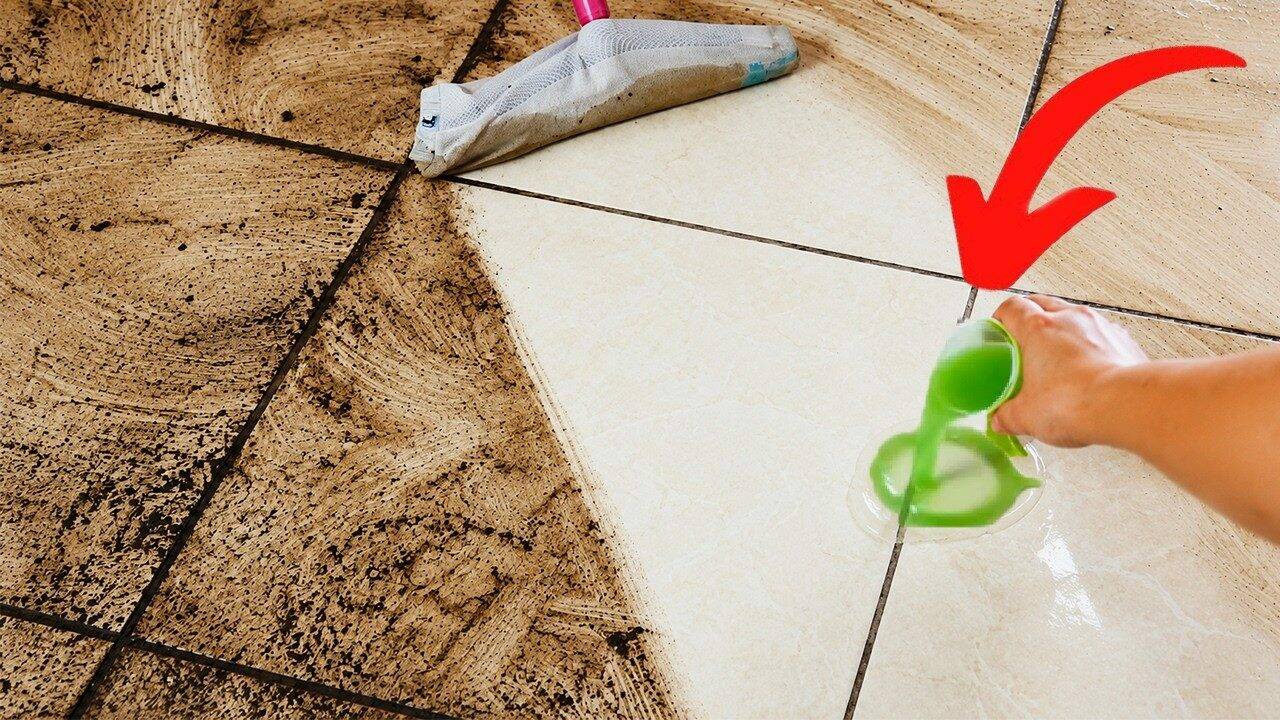
Dirty Floors Become Clean, Fresh, Degreased, and Shiny With This Simple Homemade Solution
Dirty Floors Become Clean, Fresh, Degreased, and Shiny With This Simple Homemade Solution
Floors can quickly lose their shine because of dust, grease, footprints, pet hair, and cleaning-product residue. This simple homemade mixture is designed to freshen washable floors while helping to remove everyday dirt.
The original method combines dish soap, baby powder, fabric softener, water, and fragrance. However, not every ingredient is suitable for every type of flooring. Before using the mixture, always test it on a small hidden area and check the flooring manufacturer’s care instructions.
Ingredients
You will need:
- 50 ml dish soap
- 1 tablespoon baby powder or talcum powder
- 1 tablespoon concentrated fabric softener
- up to 4 liters of water
- a small amount of home fragrance, optional
- a bucket or large container
- a clean microfiber cloth or mop
How to Prepare the Floor-Cleaning Mixture
Pour 50 ml of dish soap into a large bucket or container.
Add one tablespoon of baby powder. If you have baby powder at home, you can use it, although this ingredient is optional and may leave residue on some floors.
Next, add one tablespoon of concentrated fabric softener. Stir the ingredients gently until they begin to combine.
Slowly pour in up to four liters of water while continuing to mix.
For an additional scent, you may add a very small amount of a suitable household fragrance. Avoid adding too much, since concentrated perfume can leave a sticky film or make the floor slippery.
Important Note About the Ingredients
Although the recipe may leave a pleasant scent, both talcum powder and fabric softener can create residue on some surfaces.
Fabric softener is designed for clothing rather than floors. It may leave a coating that attracts dust, causes streaks, or makes the floor slippery.
For a safer everyday version, you can simply use:
- warm water
- a few drops of dish soap
- a clean microfiber mop
This milder mixture is usually enough to remove normal dirt and grease.
A Simple Trick for Sweeping Pet Hair
Pet hair and dust often become trapped in the bristles of a broom. The transcript suggests covering the broom with a plastic bag before sweeping.
How the Trick Works
Place a clean plastic bag over the broom head and tie it securely around the handle.
Sweep the floor as usual. The smooth plastic surface may help collect loose hair and dust without allowing as much debris to become trapped between the broom bristles.
After sweeping, remove the bag carefully and dispose of the collected dirt.
A Better Reusable Alternative
Instead of using a disposable plastic bag, you can attach:
- a reusable microfiber cloth
- an electrostatic floor cloth
- a washable mop pad
These options collect pet hair effectively and create less waste.
How to Wash the Floor
Dip a clean microfiber cloth or mop into the prepared cleaning solution.
Wring it out thoroughly. The cloth should be damp, not dripping wet.
Attach the cloth to a floor mop or wrap it around a broom head. Clean the floor in small sections, starting at the farthest corner of the room and working toward the exit.
Rinse or replace the cloth when it becomes visibly dirty.
If the floor feels sticky after cleaning, wipe it again with a clean cloth dampened only with water.
Which Floors Can Be Cleaned With This Method?
The recipe may be suitable for some sealed ceramic tiles, but it should be used carefully on other surfaces.
Ceramic and Porcelain Tiles
These floors are generally resistant to water. Use only a small amount of cleaning solution and rinse if residue remains.
Vinyl and PVC Floors
A mild dish-soap solution may be suitable, but too much fabric softener or fragrance can leave a slippery coating.
Laminate
Laminate should only be cleaned with a very well-wrung mop. Excess water can enter the joints and cause swelling.
Avoid using large quantities of dish soap, powder, or fabric softener.
Hardwood and Parquet
Do not use this recipe unless the manufacturer specifically allows it. Wood floors require a cleaner that is compatible with their finish.
Too much water or detergent may damage the protective layer.
Natural Stone
Do not use random homemade mixtures on marble, limestone, travertine, or other natural stone.
These surfaces often require a pH-neutral stone cleaner.
How to Avoid Streaks
Streaks are often caused by using too much cleaning product rather than too little.
For a clearer finish:
- Vacuum or sweep before mopping.
- Use only a small amount of detergent.
- Wring the mop thoroughly.
- Change the water when it becomes dirty.
- Do not mop with greasy or heavily soiled water.
- Rinse with clean water if necessary.
- Dry glossy surfaces with a clean microfiber cloth.
How to Remove Greasy Floor Marks
For greasy spots, apply a few drops of diluted dish soap to a damp cloth.
Gently wipe the affected area, then remove the soap with a second clean damp cloth.
Avoid pouring concentrated dish soap directly onto the floor. It can leave a sticky patch that attracts even more dirt.
Why More Foam Does Not Mean More Cleaning Power
A large amount of foam may look effective, but it does not necessarily clean better.
Too much dish soap can:
- leave streaks
- make the floor sticky
- attract dust
- require repeated rinsing
- create a slippery surface
For most floors, only a few drops of dish soap in a bucket of warm water are necessary.
Should You Add Perfume to Floor Water?
A small amount of suitable floor fragrance can make a room smell pleasant. However, perfume does not improve cleaning performance.
Avoid applying essential oils or concentrated perfume directly to floors. They may stain porous materials, damage coatings, or create a slippery film.
Homes with pets, children, or people with fragrance sensitivities should use scented products cautiously.
A Safer Simplified Recipe
For regular floor cleaning, use:
- 4 liters of warm water
- 1 teaspoon of mild dish soap
- a clean microfiber mop
Mix gently, mop with a well-wrung cloth, and rinse with clean water if the floor feels sticky.
This simple recipe is often more practical than combining powder, fabric softener, and fragrance.
How to Keep Floors Clean for Longer
A few daily habits can help prevent dirt from building up:
- Remove outdoor shoes at the entrance.
- Use doormats inside and outside.
- Vacuum pet hair regularly.
- Wipe spills immediately.
- Clean greasy kitchen spots as soon as possible.
- Wash mop heads after every use.
- Avoid using excessive cleaning products.
- Keep separate cloths for the bathroom and kitchen.
Wash the Mop After Cleaning
A dirty mop can spread bacteria, grease, and unpleasant odors around the house.
After use:
- Rinse the mop thoroughly.
- Wash the removable pad according to its care label.
- Let it dry completely in a ventilated area.
- Do not leave it wet in the bucket.
Replace heavily worn or permanently dirty mop pads.
Final Thoughts
The original mixture may make some washable floors smell fresh and appear shinier, but talcum powder, fabric softener, and excessive fragrance can also leave residue.
For reliable everyday cleaning, warm water, a small amount of mild dish soap, and a clean microfiber mop are usually enough.
The real secret to a fresh, streak-free floor is not using many ingredients. It is removing loose dirt first, using very little detergent, wringing the mop properly, and changing dirty water regularly.