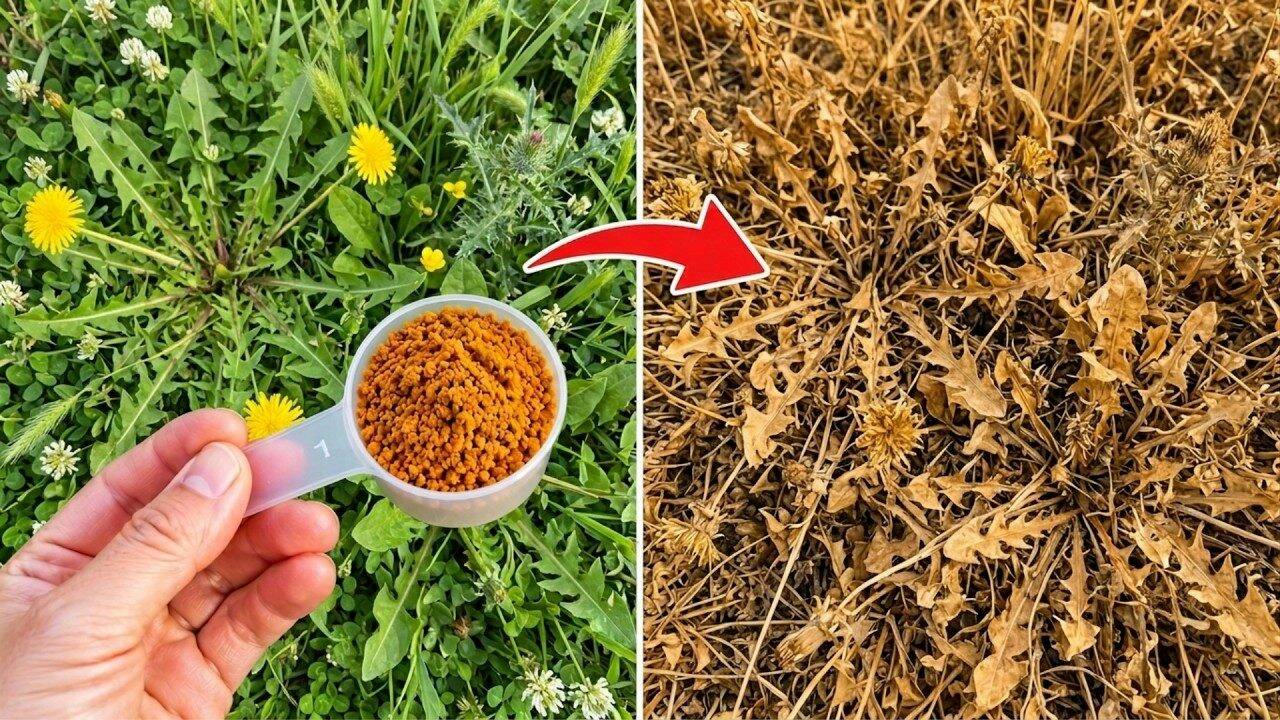
Forget Herbicides! One Simple Solution That Dries Out Weeds While Keeping Your Lawn Green
Forget Herbicides! One Simple Solution That Dries Out Weeds While Keeping Your Lawn Green
Weeds have a way of showing up exactly where you don’t want them. They squeeze through cracks in the driveway, spread across gravel paths, creep along fences, and invade even the healthiest-looking lawns. While many people simply mow or pull them out, that often provides only temporary relief. If the roots remain or new seeds germinate, the weeds usually return within weeks.
The good news is that there isn’t just one way to tackle weeds. The best solution depends on where they’re growing. A product that’s perfect for a lawn could damage vegetables, while a homemade spray that’s effective on pavement may not belong anywhere near your flower beds.
Here’s how to choose the right approach for each situation.
Why Pulling Weeds Isn’t Always Enough
Removing the visible part of a weed may improve your garden’s appearance for a short time, but it doesn’t always solve the problem.
Many weeds:
- Grow back from roots left underground.
- Produce thousands of seeds that remain viable for years.
- Spread through underground runners or rhizomes.
- Quickly recolonize bare patches of soil.
That’s why matching the treatment to the location is often far more effective than using the same method everywhere.
Best Option for Lawns: Iron Sulfate
If broadleaf weeds are invading your lawn, iron sulfate (also called ferrous sulfate) is a popular option in many regions.
When diluted according to the product instructions and applied correctly, it can:
- Brown and weaken many broadleaf weeds.
- Help control dandelions.
- Reduce clover.
- Suppress plantain and similar weeds.
- Leave most lawn grasses green.
- Often gives turf a darker green appearance thanks to the added iron.
Because grasses tolerate iron better than many broadleaf weeds, this treatment can improve the lawn’s appearance while reducing unwanted plants.
Important Notes
Iron sulfate is intended for lawns—not vegetable gardens.
Avoid spraying it on:
- Tomatoes
- Peppers
- Herbs
- Flowers you wish to keep
- Young ornamental plants
Always follow the manufacturer’s directions regarding mixing rates and application timing.
Weeds Growing Between Paving Stones
Cracks in sidewalks, patios, and driveways provide ideal places for weeds to establish themselves.
Many homeowners traditionally use:
- White vinegar
- Salt solutions
While these can dry out weeds, they should be used carefully.
Why Salt Can Be a Problem
Salt doesn’t just affect weeds.
It may also:
- Build up in the soil.
- Harm nearby plants.
- Reduce soil quality.
- Make it difficult for future plants to grow.
For this reason, many gardeners avoid using salt except in areas where no future planting is planned.
A Gentler Alternative: Citric Acid Spray
An increasingly popular option is a citric acid solution with a few drops of biodegradable liquid dish soap.
The soap helps the spray stick to weed leaves, improving coverage.
Citric acid offers several advantages:
- Biodegrades relatively quickly under normal conditions.
- Doesn’t leave long-lasting salt deposits.
- Can dry out young weeds effectively when sprayed directly onto foliage.
- Has a lower long-term environmental impact than repeated salt applications.
Even so, it should still be applied carefully.
Avoid spraying:
- Lawn grass
- Garden vegetables
- Ornamental plants
- Flowers you want to preserve
Direct contact may damage desirable plants as well as weeds.
Always Match the Method to the Location
Different areas require different solutions.
For Lawns
Choose products specifically formulated for lawns, such as iron sulfate where appropriate.
For Driveways and Paving
Spot treatments with citric acid or other suitable weed-control products can be effective when used carefully.
Around Vegetables
Hand weeding, mulching, and careful cultivation are usually the safest choices to avoid harming edible crops.
Additional Ways to Prevent Weed Growth
Long-term weed control is often easier than repeated treatments.
Consider these preventive measures:
- Apply mulch around garden plants.
- Mow lawns at the recommended height.
- Fill cracks in paving before weeds establish.
- Water deeply but less frequently to encourage strong grass roots.
- Overseed thin lawn areas to crowd out weeds.
- Remove weeds before they produce seeds.
Healthy, dense vegetation leaves fewer opportunities for weeds to take hold.
Final Thoughts
There is no universal weed killer that’s perfect for every situation. The most effective—and safest—approach is to choose a solution based on where the weeds are growing.
Iron sulfate can be a useful option for controlling many broadleaf weeds in lawns while helping turf remain green. For weeds in pavement cracks, citric acid solutions are often considered a gentler alternative to salt-based treatments, provided they’re applied carefully and only where desired.
By selecting the right method for each area and combining it with good garden maintenance, you can keep weeds under control while protecting the plants you actually want to grow.