Amazing! This Simple White Powder Helps Remove Toilet Stains and Leave Your Bathroom Fresh
Amazing! This Simple White Powder Helps Remove Toilet Stains and Leave Your Bathroom Fresh
Keeping a toilet clean can sometimes feel like an endless chore. Hard water deposits, soap residue, and everyday use can leave stubborn stains that seem impossible to remove.
The original method combines powdered dishwashing detergent, baking soda, white vinegar, hot water, and rubbing alcohol. While some of these ingredients can help loosen dirt, they should be used carefully and not all combinations are necessary.
This guide explains a safer way to clean and disinfect your toilet while protecting both your bathroom fixtures and your health.
What You’ll Need
For this cleaning method, gather:
- Powdered dishwashing detergent
- Baking soda
- White vinegar
- Hot (not boiling) water
- A toilet brush
- A microfiber cloth
- Rubbing alcohol (for exterior surfaces only)
- Rubber cleaning gloves
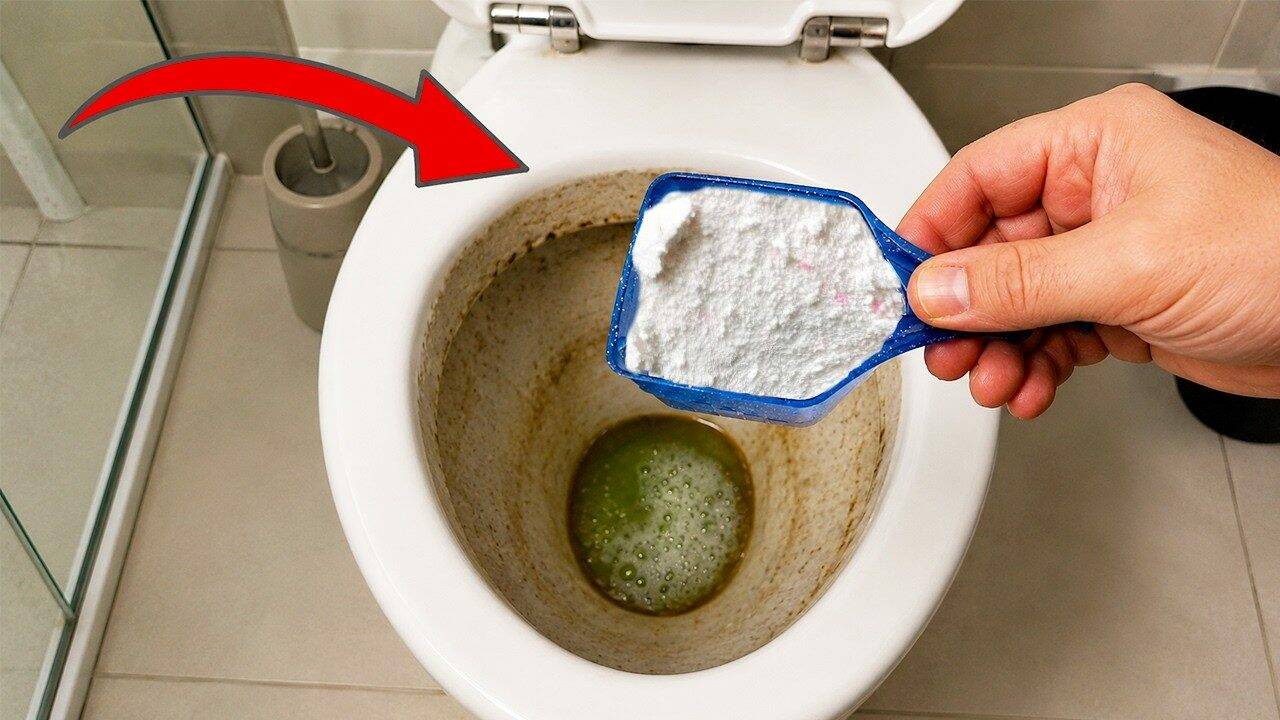
Step 1: Apply Powdered Dishwasher Detergent
Sprinkle a small amount of powdered dishwasher detergent around the inside of the toilet bowl, especially under the rim and on areas with visible mineral deposits.
Dishwasher detergent contains ingredients designed to break down grease and food residue. While it may help loosen some stains, it is not specifically formulated for toilet cleaning, so use it sparingly.
Avoid inhaling the powder and do not use excessive amounts.
Step 2: Add Baking Soda
Sprinkle approximately one tablespoon of baking soda into the bowl.
Baking soda works as a mild abrasive and can help loosen light stains while helping to reduce odors.
It is generally safe for porcelain surfaces when used gently.
Step 3: Use White Vinegar Carefully
Pour a moderate amount of white vinegar into the bowl.
When vinegar meets baking soda, the mixture produces bubbling foam. Although this reaction looks impressive, it does not create a stronger cleaner. In fact, the two ingredients largely neutralize one another.
The fizzing can help lift loose debris, but most of the cleaning comes from brushing rather than the chemical reaction itself.
Allow the mixture to sit for about 10–15 minutes.
Step 4: Add Hot Water
The original video recommends pouring hot water into the toilet.
Use hot tap water rather than boiling water.
Boiling water should never be poured directly into a porcelain toilet because sudden temperature changes may crack the bowl.
Warm water can help soften greasy residue and improve the performance of many cleaning products.
Step 5: Scrub the Bowl
Using a toilet brush, scrub:
- under the rim
- around the waterline
- inside the bowl
- any visible stains
- areas with mineral buildup
Allow the cleaning solution to do most of the work rather than scrubbing aggressively.
For stubborn stains, repeat the treatment instead of using excessive force.
Step 6: Flush the Toilet
Once the bowl has been thoroughly scrubbed, flush the toilet to rinse away the cleaning solution and loosened deposits.
Inspect the bowl.
If heavy mineral deposits remain, repeat the process or use a cleaner specifically designed for hard-water scale.
Step 7: Clean the Outside
The inside of the bowl is only part of the toilet.
Use a microfiber cloth lightly dampened with rubbing alcohol to wipe:
- the seat
- the lid
- the flush handle
- the outside of the bowl
- the base
- other frequently touched areas
Alcohol evaporates quickly and helps sanitize smooth surfaces.
Never pour rubbing alcohol into the toilet bowl itself.
Finish With a Toilet Disinfectant
If desired, apply a toilet disinfectant according to the manufacturer’s directions.
Allow it to remain on the surface for the recommended contact time before wiping or rinsing.
Disinfectants work best on surfaces that have already been cleaned of visible dirt.
Does Hot Water Activate Dishwasher Detergent?
The original video claims that dishwasher detergent only works when hot water is added.
In reality, many dishwasher detergents are designed to perform best in warm or hot water, but they still contain cleaning agents that begin working when dissolved.
Hot water can improve cleaning performance, but it is not the only factor.
Is This Method Safe for Every Toilet?
Most porcelain toilets can tolerate mild cleaning products, but avoid using abrasive powders on:
- colored porcelain
- decorative finishes
- damaged enamel
- plastic components
Always test unfamiliar products in a small area if you’re unsure.
Better Ways to Remove Hard Water Stains
If mineral deposits remain after ordinary cleaning, consider using a cleaner specifically designed for limescale removal.
Hard-water stains often require products formulated to dissolve calcium deposits rather than general-purpose detergents.
Follow the manufacturer’s directions carefully.
Keep Your Toilet Cleaner Longer
Simple habits reduce future buildup:
- Brush the bowl every few days.
- Flush regularly.
- Wipe the seat and handle frequently.
- Clean under the rim weekly.
- Fix leaking toilets promptly.
- Remove standing moisture around the base.
Regular light cleaning is much easier than removing months of accumulated deposits.
Cleaning Products You Should Never Mix
Never combine household cleaners unless the manufacturer specifically states that it is safe.
Avoid mixing:
- bleach and vinegar
- bleach and rubbing alcohol
- bleach and ammonia
- different toilet bowl cleaners
- unknown chemical products
Dangerous chemical reactions and toxic gases may result.
Always use products separately and rinse thoroughly between different cleaners.
Final Thoughts
The original recipe may help loosen ordinary dirt because it combines detergent, baking soda, warm water, and brushing. However, the dramatic bubbling from baking soda and vinegar is not what removes stains, and boiling water should never be poured directly into a porcelain toilet.
For routine cleaning, a dedicated toilet cleaner, a good toilet brush, regular maintenance, and proper disinfection are usually all that is needed to keep your toilet clean, fresh, and hygienic.