Goodbye Rust and Limescale: The Coca-Cola Cleaning Secret That Actually Works
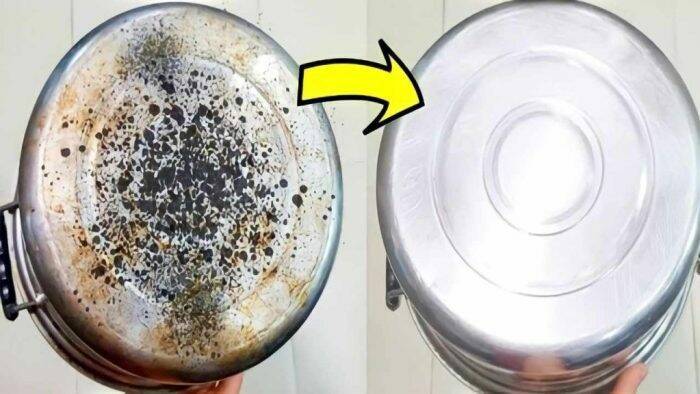
Most people think of Coca-Cola as a soft drink, but it has another surprising use around the house. Thanks to the phosphoric acid it contains, Coca-Cola can help loosen light rust stains, mineral deposits, and limescale on certain washable surfaces.
Combined with a few common household ingredients, it can become a convenient homemade cleaner for toilets, sinks, faucets, and other bathroom surfaces.
Here’s how to use this unusual cleaning trick safely and effectively.
Why Coca-Cola Can Help Remove Limescale
Coca-Cola contains phosphoric acid, which can help soften light mineral deposits and surface rust. The original method combines it with laundry detergent and baking soda to create a homemade cleaning spray.
While it isn’t as powerful as commercial descalers, it can be useful for regular maintenance and light cleaning.
It may help with:
- Light limescale
- Surface rust stains
- Soap residue
- Hard water marks
- Everyday bathroom grime
It is not intended for severe corrosion or thick mineral buildup.
Homemade Coca-Cola Cleaning Spray
Ingredients
- 1 bottle of Coca-Cola
- 1 capful of liquid laundry detergent
- 1 tablespoon of baking soda
- A large mixing container
- A spray bottle
- A funnel
How to Prepare It
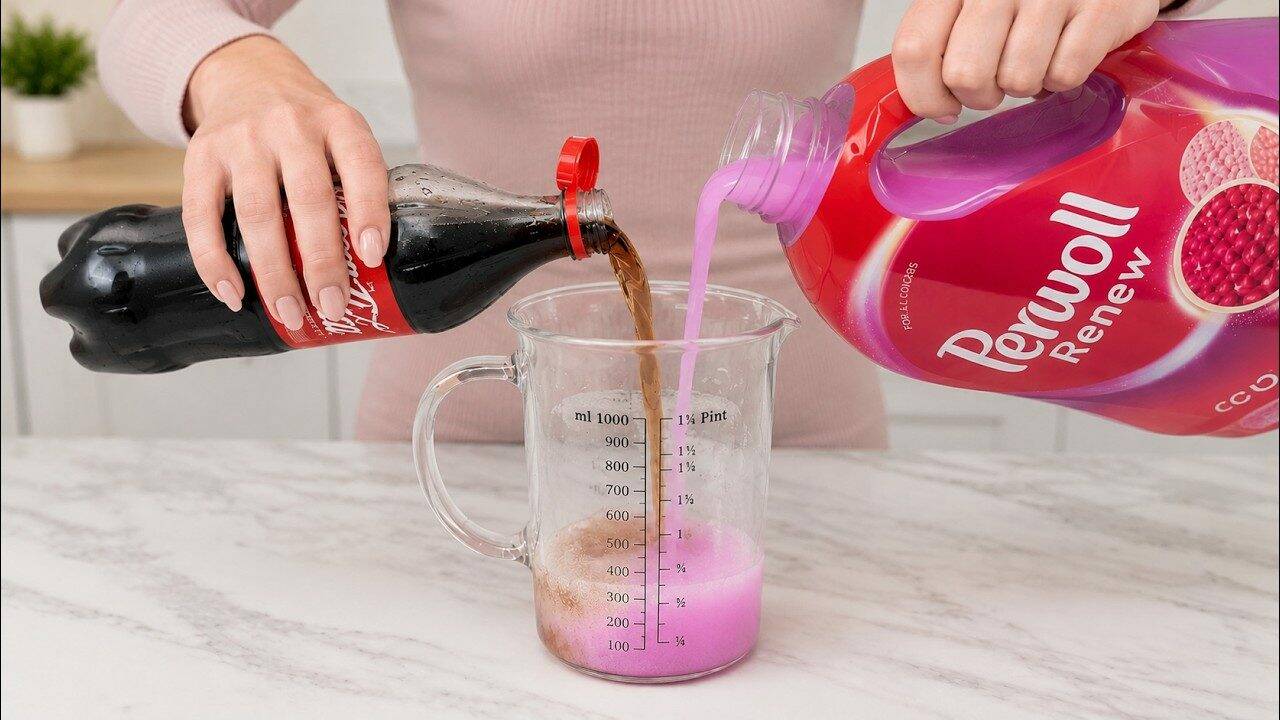
- Pour one capful of liquid laundry detergent into the bottle of Coca-Cola.
- Close the bottle and shake gently.
- Carefully pour the foaming mixture into a large container.
- Add one tablespoon of baking soda.
- Stir slowly until everything is combined.
- Transfer the mixture to a clean spray bottle using a funnel.
The phosphoric acid in the Coca-Cola helps loosen mineral deposits, while baking soda provides gentle cleaning action.
Cleaning the Toilet
Spray the mixture generously around the inside of the toilet bowl, especially around the waterline where limescale usually forms.
Allow it to remain for approximately 10–15 minutes before scrubbing with a toilet brush.
Finally, flush thoroughly.
For heavy mineral deposits, repeat the treatment instead of scrubbing aggressively.
Remove Hard Water Stains from Sinks and Faucets
The same spray can also be used on:
- Ceramic sinks
- Chrome faucets
- Stainless-steel fixtures
- Washbasins
Spray the affected surface, leave it for several minutes, wipe with a microfiber cloth, and rinse with clean water.
Avoid prolonged contact with natural stone such as marble, limestone, or travertine, as acidic products may damage these materials.
Important Safety Tips
Never mix this homemade cleaner with:
- Bleach
- Chlorine-based toilet cleaners
- Ammonia
- Strong commercial descalers
- Drain-opening chemicals
Mixing incompatible cleaning products can create hazardous fumes.
Wear gloves, keep the room well ventilated, and test the cleaner on a hidden area before applying it to delicate surfaces.
Keep Bathroom Fixtures Looking New
Regular maintenance prevents heavy limescale from developing.
A simple weekly routine includes:
- Wiping faucets after use
- Cleaning the toilet bowl once a week
- Drying shower glass
- Removing standing water around sinks
- Ventilating the bathroom
These small habits often reduce the need for stronger cleaning products.
A Handy Trick for Wrinkled Clothes
The source also describes an easy laundry shortcut.
Instead of ironing lightly wrinkled clothes, place three to five garments in a tumble dryer with a handful of ice cubes and run the dryer for about 15 minutes. As the ice melts, the moisture helps relax many wrinkles on compatible fabrics.
Always check the garment care label before using a dryer.
Refresh Kitchen Towels
Old kitchen towels can become stained and develop unpleasant odors over time.
The source suggests soaking them with:
- Toothpaste
- Salt
- Dish soap
- Hot (but not boiling) water
After soaking for about an hour, wash the towels normally in the washing machine.
Clean Your Washing Machine Naturally
A clean washing machine helps keep clothes smelling fresh.
The document recommends:
- Cleaning the detergent drawer
- Wiping the rubber door seal
- Using baking soda and lemon during maintenance
- Removing and cleaning the drain filter regularly
Routine maintenance helps reduce residue, odors, and mineral buildup inside the appliance.
Final Thoughts
Coca-Cola may seem like an unusual cleaning product, but its mild acidity can help loosen light rust, soap residue, and limescale on compatible bathroom surfaces. When combined with baking soda and a small amount of liquid detergent, it becomes a simple homemade cleaner that many people already have the ingredients to make.
Although it won’t replace a professional descaler for heavy mineral deposits, it can be a useful addition to your regular cleaning routine. Combined with frequent maintenance, proper ventilation, and gentle scrubbing, this inexpensive method can help keep your toilet, sink, and bathroom fixtures cleaner, brighter, and fresher without relying on harsh chemicals.