My Last-Resort Toilet Trick? I Throw in Ice—and It Actually Helps
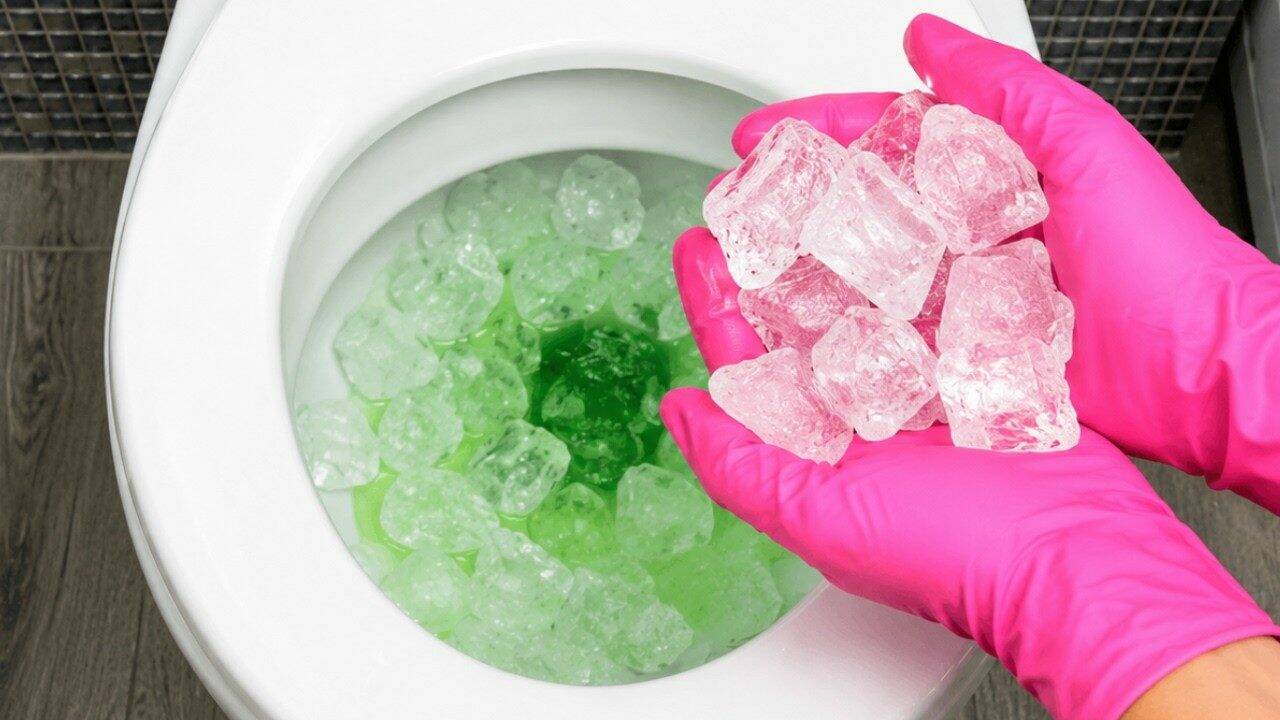
A toilet bowl can quickly develop unpleasant odors, stubborn residue, and mineral buildup around the waterline. When ordinary cleaning does not seem effective, one surprisingly simple trick may help: adding a few ice cubes before scrubbing.
The ice does not magically dissolve limescale or unclog the toilet. However, as the cubes move around the bowl during brushing, they may provide a mild mechanical action that helps loosen light residue. Combined with a simple cleaning product, this method can make routine toilet cleaning easier.
Here is how to try the ice-cube method safely, along with several other practical ways to keep your toilet bowl, grout, and bathroom surfaces fresh.
The Ice-Cube Toilet Cleaning Trick
What You’ll Need
- A handful of ice cubes
- A small amount of liquid dish soap
- A toilet brush
- An approved toilet cleaner, if needed
How to Use It
- Drop a handful of ice cubes into the toilet bowl.
- Add a small amount of liquid dish soap.
- Allow the mixture to sit for approximately 10 to 15 minutes.
- Scrub the inside of the bowl thoroughly with a toilet brush.
- Pay particular attention to the waterline and visible deposits.
- Flush the toilet.
- Give the bowl another quick scrub if residue remains.
As the ice cubes move around the bowl, their edges may help disturb loose residue. Dish soap helps lift greasy grime and makes the brush glide more easily over the ceramic surface.
Does Ice Really Clean a Toilet?
Ice is not a disinfectant, descaler, or drain opener. Its main benefit is physical rather than chemical.
It may help with:
- Loose residue around the waterline
- Light surface grime
- Everyday toilet-bowl maintenance
- Making brushing slightly more effective
It will not remove:
- Severe limescale
- Rust stains
- Objects blocking the drain
- Deep mineral buildup
- Established mold
- Plumbing problems
For heavy deposits, use a product designed for toilet limescale and follow the instructions on its label.
Avoid Mixing Too Many Products
The original method suggests combining ice with cleaning liquid, fabric softener, shaving foam, scent beads, and dish soap.
Using many different products at the same time is unnecessary and may create excessive foam, leave residue, or expose the toilet’s internal parts to ingredients that were never designed for plumbing.
A safer approach is to use only one compatible cleaning product at a time.
Never mix toilet-cleaning products with:
- Bleach
- Vinegar or other acids
- Ammonia
- Drain-opening chemicals
- Unknown household cleaners
Dangerous fumes can form when incompatible cleaning chemicals are combined.
Why Fabric Softener Is Not Recommended
Fabric softener is designed for laundry, not toilet bowls. It can leave a waxy coating behind and may contribute to residue inside the bowl or plumbing.
Laundry scent beads should also stay out of the toilet. They may not dissolve properly and could create plumbing problems.
To keep the bathroom smelling fresh, clean the source of the odor and improve ventilation rather than adding laundry products to the bowl.
A Simple Cleaner for Everyday Toilet Dirt
For ordinary grime, dish soap and warm water are often enough.
Ingredients
- 2 tablespoons of liquid dish soap
- Warm—not boiling—water
Instructions
- Pour the dish soap around the inside of the bowl.
- Add a moderate amount of warm water.
- Leave it for 10 minutes.
- Scrub thoroughly with a toilet brush.
- Flush.
Do not pour boiling water into a toilet. Sudden temperature changes may damage porcelain or plumbing connections.
An Overnight Laundry-Powder Method
Laundry detergent powder is sometimes used as an overnight toilet cleaner because it contains ingredients designed to loosen dirt and soften water.
How to Try It
- Sprinkle a small handful of laundry powder around the inside of the bowl.
- Leave it overnight.
- Scrub the bowl the following morning.
- Flush thoroughly.
Use only a small amount and avoid combining it with other cleaners. This method is intended for cleaning the bowl, not for clearing a blocked toilet.
A Baking-Soda Paste for Bathroom Grout
A new, unused toilet brush can be useful for cleaning floor grout because its stiff bristles reach into narrow lines.
Never use the same brush for the toilet and the floor.
What You’ll Need
- Baking soda
- A small amount of water
- A clean, unused stiff-bristled brush
- A damp cloth
Method
- Mix baking soda with a small amount of water to form a paste.
- Apply the paste to dirty grout lines.
- Scrub gently with the clean brush.
- Leave the paste for approximately 10 minutes.
- Wipe the tiles with a damp cloth.
- Rinse and dry the surface.
Baking soda provides mild abrasion and may help remove surface dirt. It is not guaranteed to kill deeply established mold. Mold that repeatedly returns may indicate excessive moisture or damaged grout.
Keep the Toilet Brush Cleaner
A toilet brush should be rinsed and allowed to dry after every use.
After cleaning the bowl:
- Flush with clean water.
- Hold the brush in the clean flushing water.
- Rinse it thoroughly.
- Trap the handle beneath the seat so the brush head hangs over the bowl.
- Allow it to drip-dry before returning it to the holder.
Avoid filling the brush holder with cleaner unless the manufacturer specifically recommends it. Standing liquid can become contaminated and may damage the brush.
Do Not Place Homemade Cleaning Bottles in the Tank
Some cleaning hacks recommend placing a perforated bottle filled with soap and vinegar inside the toilet tank.
This is not recommended.
Products placed in the tank may damage:
- Rubber seals
- Flappers
- Valves
- Metal components
- Internal coatings
They may also interfere with the flushing mechanism. Use cleaners intended for the bowl and follow the toilet manufacturer’s instructions for tank maintenance.
Can Garlic Clean or Disinfect a Toilet?
Garlic is sometimes promoted as a natural disinfectant, but adding it to the toilet is unlikely to provide reliable sanitation. It may also leave organic material behind and create another source of odor.
For hygiene, use a properly labeled toilet cleaner or disinfectant according to its directions.
A Gentle Homemade Cleaning Powder
For light surface residue, a dry mixture can provide mild scrubbing action.
Ingredients
- 3 tablespoons of flour
- 2 tablespoons of salt
- A small amount of baking soda
Instructions
- Combine the dry ingredients.
- Lightly dampen the inside of the toilet bowl.
- Sprinkle the powder over the stained areas.
- Leave it for about 20 minutes.
- Scrub thoroughly with a toilet brush.
- Flush several times to remove all the powder.
Use this method sparingly. Large amounts of flour should not be poured into plumbing because it can form a sticky paste when mixed with water.
A simple baking-soda paste is usually a more practical alternative.
What to Do About Limescale
Ice and dish soap are better suited to light residue than hard mineral deposits.
To remove limescale:
- Lower the water level in the bowl if possible.
- Apply a toilet descaler approved for porcelain.
- Leave it for the time stated on the label.
- Scrub with a toilet brush.
- Flush thoroughly.
Never use metal tools, knives, or highly abrasive pads, as they can scratch the porcelain. Once scratched, the surface may collect dirt more easily.
When the Toilet Is Clogged
The ice trick is a cleaning method, not a solution for clogs.
For a blocked toilet:
- Stop flushing if the water level is rising.
- Use a flange-style toilet plunger.
- Create a firm seal over the drain.
- Push and pull steadily several times.
- Test with one controlled flush.
Contact a plumber if the blockage returns, several drains back up simultaneously, or plunging does not restore normal flow.
A Simple Weekly Toilet-Care Routine
Regular light cleaning prevents the need for extreme homemade mixtures.
Every Few Days
- Wipe the seat and lid.
- Clean the flush handle.
- Remove visible splashes.
- Ventilate the bathroom.
Once a Week
- Apply a compatible toilet cleaner.
- Scrub under the rim and around the waterline.
- Clean the exterior of the bowl.
- Mop the floor around the base.
Once a Month
- Check for limescale.
- Clean the toilet-brush holder.
- Inspect the tank and floor for leaks.
- Clean nearby grout and corners.
Final Thoughts
Throwing a few ice cubes into the toilet bowl may sound unusual, but it can provide a little extra mechanical action when you scrub light residue. For the safest and most practical version of the method, combine the ice with a small amount of dish soap rather than a long list of laundry and personal-care products.
The real secret to a consistently clean toilet is regular maintenance, proper ventilation, and using one compatible cleaner at a time. Ice can support that routine, but it should not be treated as a disinfectant, limescale remover, or solution for a clogged drain.