The Hidden Hotel Method for a Flawless Toilet Seat, Bowl, and Bathroom
Keeping a toilet perfectly clean does not always require expensive specialty products. Some of the simplest cleaning routines use ingredients already found in the kitchen or laundry room.
A basic mixture of salt, laundry powder, and vinegar can help loosen everyday buildup, reduce odors, and refresh the toilet bowl and exterior surfaces. Combined with a few practical cleaning habits, it can make the entire bathroom look brighter and better maintained.
However, no homemade treatment can keep a toilet clean for months without regular maintenance. The best results come from frequent light cleaning before grime, limescale, and odors have time to accumulate.
The Simple Homemade Toilet Cleaner
This quick mixture is intended for routine cleaning of the toilet bowl and compatible exterior surfaces.
What You’ll Need
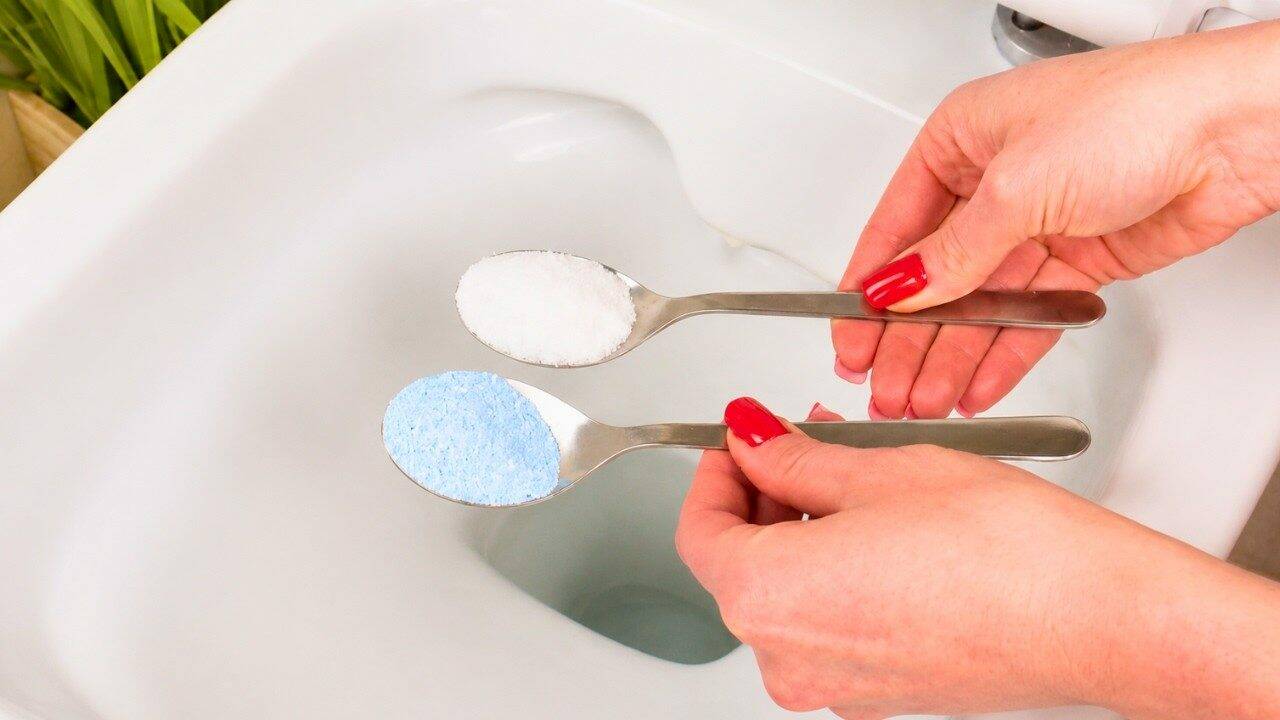
- 1 tablespoon of salt
- 1 tablespoon of laundry powder
- Approximately 3 tablespoons of white vinegar
- A small bowl
- A toilet brush
- A sponge
- A clean microfiber cloth
How to Prepare It
- Add the salt to a small bowl.
- Mix in the laundry powder.
- Pour in the white vinegar gradually.
- Stir until the ingredients form a loose cleaning mixture.
The salt provides mild scrubbing action, the laundry powder helps loosen dirt, and the vinegar works on some mineral residue and odors.
How to Clean the Toilet Bowl
Pour most of the mixture into the toilet bowl.
Use a toilet brush to scrub:
- Under the rim
- Around the waterline
- Over visible stains
- Into the lower part of the bowl
Allow the mixture to sit briefly, then flush thoroughly.
For heavier mineral deposits, repeated gentle cleaning is safer than aggressive scrubbing with metal tools.
Cleaning the Toilet Seat and Exterior
Apply a small amount of the remaining mixture to a damp sponge and carefully wipe:
- The top and underside of the seat
- The lid
- The hinges
- The flush button or handle
- The outside of the toilet
- The base near the floor
Finish by wiping everything with a clean damp cloth and drying the surfaces.
Important Surface Warning
Vinegar is acidic and may damage:
- Natural stone
- Marble
- Some metal finishes
- Delicate coatings
- Certain rubber components
Always test the solution on a small hidden area first. Check the toilet manufacturer’s care instructions before using acidic cleaners on the seat, hinges, tank, or fittings.
Should You Pour This into the Toilet Tank?
It is safer to avoid pouring homemade mixtures into the toilet tank.
Vinegar, laundry products, and other cleaners may affect:
- Rubber seals
- Metal components
- Valves
- Flappers
- Internal tank coatings
To clean the tank, first follow the manufacturer’s instructions. In many cases, carefully wiping accessible surfaces with water and a mild approved cleaner is safer than leaving chemicals inside the mechanism.
A Homemade Paste for Bathroom Tiles
The original cleaning routine also suggests blending onion with toothpaste to create a paste for tile buildup.
While toothpaste may provide mild abrasion, raw onion can leave a strong odor and its cleaning performance is inconsistent. A simpler and more predictable alternative is a paste made from baking soda and dish soap.
Safer Tile Paste
Mix:
- 2 tablespoons of baking soda
- Enough dish soap to form a thick paste
Apply the paste to ceramic tiles with a soft sponge. Leave it for about 10 minutes, scrub gently, rinse thoroughly, and dry with a microfiber cloth.
Do not use abrasive pastes on polished natural stone or delicate glossy finishes.
Make High Bathroom Tiles Easier to Reach
A reusable microfiber cloth attached to a flat mop can help clean tiles near the ceiling without constantly climbing a ladder.
Simple Method
- Fill a bowl with lukewarm water.
- Add a very small amount of dishwasher rinse aid.
- Soak a microfiber cloth in the solution.
- Wring it out until it is damp, not dripping.
- Attach it securely to a flat mop.
- Wipe the tiles in sections.
- Rinse the cloth regularly.
Rinse aid may reduce visible water spots on compatible glossy surfaces, but it should be used sparingly and rinsed where necessary.
Never use a wet mop near electrical fixtures, outlets, or ceiling lights.
Deep-Cleaning the Floor Around the Toilet
The floor around and behind the toilet often collects dust, moisture, and odor-causing residue.
The original method combines several cleaners, including disinfectant, dish soap, floor cleaner, fabric softener, vinegar, and very hot water. This is not recommended because combining multiple household cleaners can create unsafe reactions or irritating fumes.
Use One Compatible Cleaner Instead
Choose one of the following:
- A diluted floor cleaner used according to its label
- A bathroom disinfectant approved for the floor material
- Warm water with a small amount of dish soap for basic cleaning
Cleaning Steps
- Remove loose dust and hair.
- Apply the chosen cleaner according to its directions.
- Clean around the toilet base and behind the bowl.
- Pay attention to grout lines and corners.
- Rinse if required by the product label.
- Dry the floor to reduce moisture and odors.
Never mix vinegar with bleach, chlorine disinfectants, or unknown commercial products.
Reusable Floor-Cleaning Cloths
Reusable microfiber cloths can replace disposable mop pads and reduce household waste.
Basic Reusable Solution
For compatible floors, mix:
- 250 ml of water
- 125 ml of white vinegar
Soak folded microfiber cloths briefly, wring them out, and attach one to a flat mop.
Important Floor Warning
Do not use vinegar on:
- Natural stone
- Waxed floors
- Unsealed wood
- Some laminate flooring
- Surfaces whose manufacturer prohibits acidic cleaners
For wooden or laminate floors, use the cleaning product recommended by the flooring manufacturer and keep the cloth only slightly damp.
The Walnut Trick for Small Wood Scratches
A shelled walnut is sometimes used to make light scratches on dark wood appear less noticeable.
Rub the walnut gently along the scratch, following the wood grain. Its natural oils may temporarily darken the damaged area.
Afterward, buff the surface with a clean soft cloth.
This method does not repair deep scratches or structural damage. Test it in a hidden area first because the oil may change the color or finish.
Easy Window and Glass Cleaning
A microfiber cloth attached to a flat mop can also make large windows and shower doors easier to clean.
Simple Glass Solution
Mix:
- 1 liter of warm water
- A small amount of dish soap
Wash the glass with a well-wrung microfiber cloth, then dry it using a clean cloth or squeegee.
For stubborn spots on compatible glass, a diluted vinegar solution may help, but avoid contact with natural-stone frames, sensitive seals, and specialty window coatings.
A Practical Bathroom Cleaning Schedule
Regular maintenance is more effective than waiting for heavy buildup.
Every Few Days
- Wipe the toilet seat and flush handle.
- Remove visible splashes.
- Ventilate the bathroom.
- Dry wet floor areas.
Once a Week
- Scrub the toilet bowl.
- Clean around the hinges.
- Wipe the toilet exterior.
- Mop around and behind the toilet.
- Clean sinks and shower surfaces.
Once a Month
- Check for limescale.
- Wash high tiles.
- Clean grout and corners.
- Inspect the toilet tank and fittings for leaks.
- Wash reusable cleaning cloths thoroughly.
Essential Cleaning Safety
Before trying any homemade cleaning routine:
- Wear gloves.
- Open a window or use ventilation.
- Keep products away from children and pets.
- Never mix bleach with vinegar, acids, ammonia, or other cleaners.
- Do not combine several commercial products in one bucket.
- Read every product label.
- Test new solutions on a hidden area.
- Rinse surfaces thoroughly when required.
More ingredients do not necessarily create a stronger cleaner. In many cases, one properly diluted product is safer and more effective than a complicated mixture.
Final Thoughts
The most useful part of the so-called hotel cleaning secret is not a magical ingredient. It is the habit of cleaning frequently, working carefully around hidden areas, and preventing buildup before it becomes difficult to remove.
A simple toilet mixture made from salt, laundry powder, and vinegar may help with routine cleaning on compatible surfaces. However, it should never be poured into the toilet tank, mixed with bleach, or combined with multiple commercial chemicals.
By using safe products, reusable microfiber cloths, and a consistent cleaning schedule, you can keep the toilet seat, bowl, surrounding floor, and bathroom tiles looking fresh without relying on unnecessarily harsh methods.