Take rolled oats, cocoa, and bananas! With no added sugar, the result is worth a try
Take rolled oats, cocoa, and bananas! With no added sugar, the result is worth a try
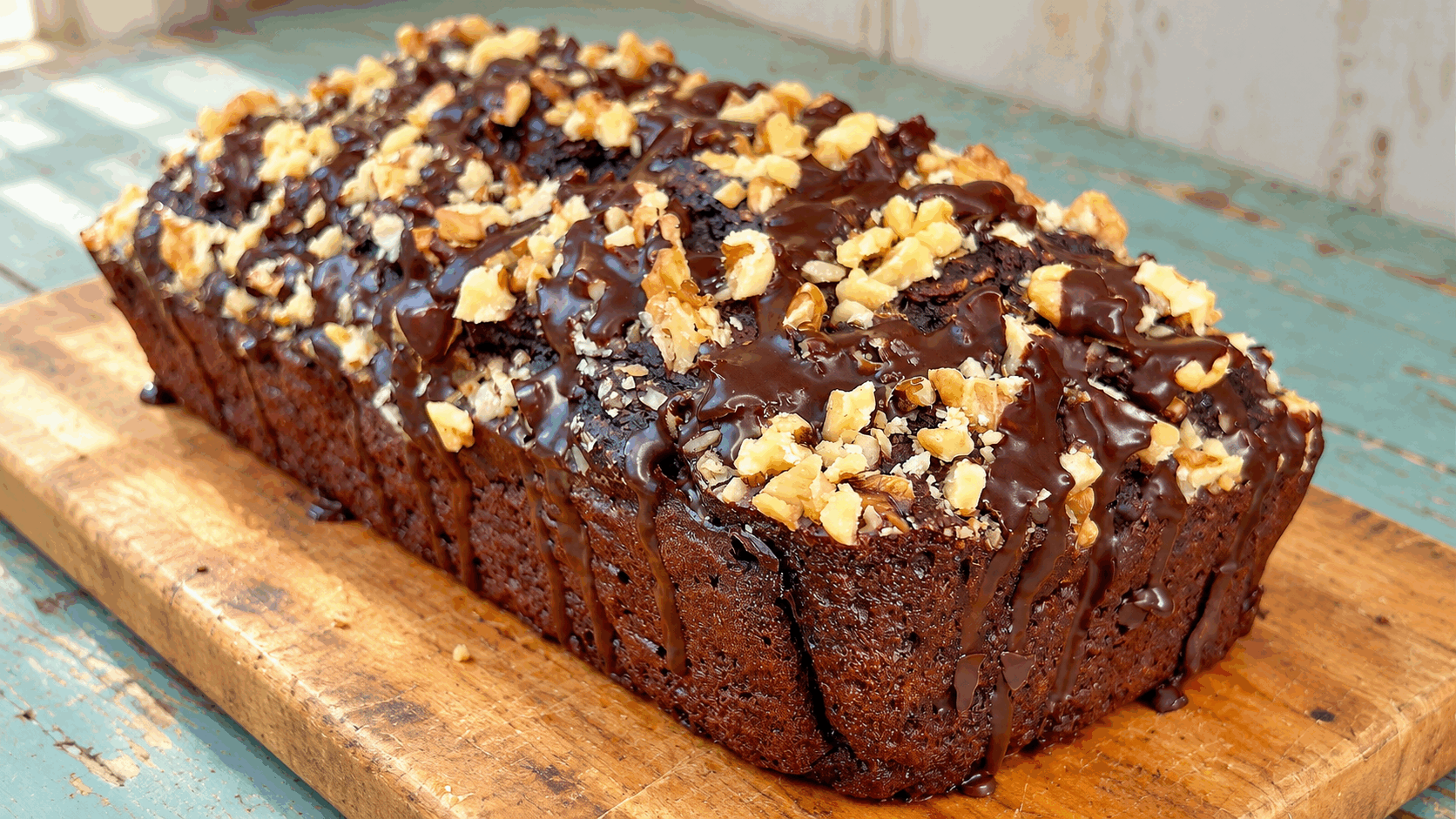
This cocoa banana oat loaf has a dark, tender center and a scattering of walnuts on top. Ripe bananas provide sweetness and moisture, while rolled oats give the loaf its structure. There is no added sugar, honey, or syrup in the batter. The flavor is gently sweet rather than candy-like, with cocoa bringing a deeper note that makes a simple slice feel like a satisfying dessert.
The recipe is mixed in a bowl and baked in a small loaf pan. It is especially useful when you have ripe bananas that are soft enough to mash easily. The most important details are weighing the banana flesh, allowing the oats time to absorb moisture, and cooling the loaf before slicing. Those steps help create slices that hold together without making the center dry.
The texture to expect
An oat-based loaf behaves differently from a traditional cake made with white flour and a generous amount of sugar. It is moist, fairly close-textured, and lightly chewy around the oat pieces. It will not rise into an extremely airy sponge. Cocoa and banana create a soft crumb, while the walnuts add a little contrast at the surface.
This is a good loaf for serving in modest slices with coffee, tea, or plain yogurt. It can also be cut into thicker pieces and warmed briefly. The flavor becomes more settled after cooling, so tasting a very hot piece is not the best way to judge the final sweetness or structure.
Ingredients for one small loaf
- 2 large ripe bananas, about 8½ ounces or 240 g after peeling.
- 1¾ cups quick-cooking rolled oats, approximately 160 g.
- 2 large eggs.
- ½ cup milk, approximately 120 ml.
- ¼ cup unsweetened cocoa powder, approximately 25 g.
- 1 teaspoon baking powder.
- ¼ cup chopped walnuts, approximately 30 g, plus a few pieces for the top if desired.
- 1 teaspoon vanilla extract, optional.
- A small pinch of salt.
Use plain oats rather than a flavored instant oatmeal mixture. Choose unsweetened cocoa powder, not a sweetened drinking chocolate blend. If using a plant-based milk, check the label for added sweeteners and choose an unsweetened product. The ingredient list is intentionally simple, but those small shopping choices determine whether the finished loaf matches the no-added-sugar approach.
An 8-by-4-inch loaf pan is a good size. Line it with parchment so the paper extends above the long sides, making it easier to lift the cooled loaf. Preparation takes about fifteen minutes, followed by a short soaking period and approximately forty to fifty minutes of baking. Cooling requires additional time.
Choose bananas for flavor and moisture
Soft bananas with plenty of brown speckles on the peel are easy to mash and usually give a sweeter flavor than firm, barely ripe bananas. The flesh should still smell pleasant and show no signs of spoilage. Ripeness is helpful; mold or an unpleasant odor is not something to overlook simply because the fruit will be baked.
Weigh the banana flesh after peeling. Two bananas can vary greatly in size, and a large excess of fruit can leave the loaf wet in the center. If you use previously frozen bananas, thaw them in the refrigerator and drain off some of the separated liquid before weighing. Do not pour all of that liquid into the batter automatically.
Mash with a fork until mostly smooth. A few small pieces are fine, but large chunks create wet pockets and make the loaf harder to slice neatly. A wide bowl makes it easier to press the fruit against the sides without needing a blender.
Mix the batter and let the oats hydrate
Heat the oven to 350°F, or 175°C. Add the eggs, milk, vanilla, and salt to the mashed banana. Whisk until the eggs are evenly incorporated. Stir in the cocoa, breaking up any large lumps before adding the oats. Dry cocoa pockets can remain bitter and powdery even after the loaf is baked.
Add the oats and baking powder, then fold in the chopped walnuts. Stir until every oat is moistened. Let the mixture stand for ten to fifteen minutes. During this time, the oats soften and the batter thickens. This makes the texture easier to judge than it is immediately after mixing.
The batter should be spoonable and thick but not stiff. If it looks unusually dry, add milk one tablespoon at a time. If it remains very loose after resting, add a small spoonful of oats and wait a few more minutes. Avoid making large corrections based only on the first appearance of the mixture.
Fill the pan and bake evenly
Spoon the batter into the lined pan and spread it to the corners. Level the surface so the center is not much higher than the edges. Add a few walnut pieces on top and press them in lightly. Loose nuts sitting entirely above the batter can darken quickly and fall off when the loaf is sliced.
Bake on the middle rack for forty to fifty minutes. Begin checking toward the earlier end of the range. A skewer inserted into the center should come out with moist crumbs rather than wet batter. Because banana keeps the loaf moist, a perfectly dry skewer is not always the best goal; look for a set crumb rather than a liquid smear.
If the walnuts brown too quickly, cover the loaf loosely with foil and continue baking. Do not increase the temperature to force the center to cook faster. That can dry the outer edges while leaving the middle underdone. Pan material and exact dimensions affect the timing, so the center check matters more than the clock alone.
Cool before slicing
Let the loaf rest in its pan for fifteen to twenty minutes after baking. Then lift it carefully using the parchment and transfer it to a rack. If it still feels very fragile, leave it in the pan a little longer. A warm oat loaf is softer than its cooled version and can crack if handled too early.
Wait until it is mostly cool before cutting. Use a sharp knife and gentle, controlled strokes rather than pressing down hard. Wipe the blade between slices if cocoa crumbs stick to it. The first slice may be a little less tidy, but the rest should hold together once the center has cooled and settled.
For especially neat portions, chill the fully cooled loaf before slicing. Let individual slices lose some of their refrigerator chill before serving if you prefer a softer texture. This is a practical serving choice, not a requirement for the recipe to work.
Troubleshooting a wet, dry, or bitter loaf
A wet center can come from too much banana, a very small pan, or insufficient baking. Check the weight and dimensions before changing the recipe. A taller loaf needs more time for heat to reach the middle. If the top is ready first, protect it loosely and continue until the center is set.
A dry loaf usually points to too many oats, too little fruit, or excessive baking. Cocoa also absorbs moisture, so increasing it by several tablespoons changes more than the flavor. Start with the listed amount and adjust cautiously in a future batch. Coarse oats can feel firmer than quick-cooking oats, especially without enough soaking time.
If the flavor is too bitter for your taste, consider the ripeness of the bananas and the intensity of the cocoa. Different cocoa powders vary. Serve the loaf with fresh banana slices or plain yogurt rather than immediately changing the batter with an unmeasured sweetener. The recipe is designed to have a restrained sweetness.
Variations that keep the loaf balanced
Walnuts can be replaced with pecans, or omitted entirely. A little orange zest works well with cocoa, adding aroma without introducing much liquid. Cinnamon is another option, though a small amount is enough. Strong spices can easily overwhelm the mild banana flavor.
If you want a smoother crumb, choose finer rolled oats rather than changing the entire recipe into an oat-flour cake. Grinding all the oats changes how quickly they absorb liquid and how the batter behaves. For a first attempt, keep the basic method so you have a reliable comparison before experimenting.
Ordinary chocolate chips often contain added sugar. If you add them, the finished loaf no longer follows the same ingredient approach. Chopped unsweetened chocolate is possible, but it brings considerable bitterness and is not necessary when cocoa is already present.
Storage, serving, and common questions
Serve slices with plain yogurt, berries, or a few extra banana slices. Keep the additions separate until serving so the loaf does not become wet on the surface. It also works well without toppings, particularly when the walnuts have lightly toasted during baking.
Refrigerate the cooled loaf in a covered container and use it within two days for the best texture. Freeze individual slices if you want to keep some longer, separating them with parchment. Thaw in the refrigerator, then warm a slice gently if desired. Avoid repeatedly reheating the whole loaf when you only need one portion.
Does no added sugar mean the loaf contains no sugar?
No. Bananas and milk contain naturally occurring sugars. The phrase describes the absence of added sugar, syrup, or honey in this recipe, not a claim that the finished food is sugar-free.
Can I bake the batter as muffins?
Yes. Divide it among lined or greased muffin cups and begin checking earlier than for a loaf. Smaller portions bake faster. Let them cool before removing them, because the oat mixture is delicate while hot.
Is this automatically gluten-free?
No. Anyone requiring a gluten-free version should use appropriately labeled oats and check the other ingredients as well. The absence of wheat flour does not by itself settle that question.