You may never have prepared zucchini this way: discover this simple and tasty recipe
You may never have prepared zucchini this way: discover this simple and tasty recipe
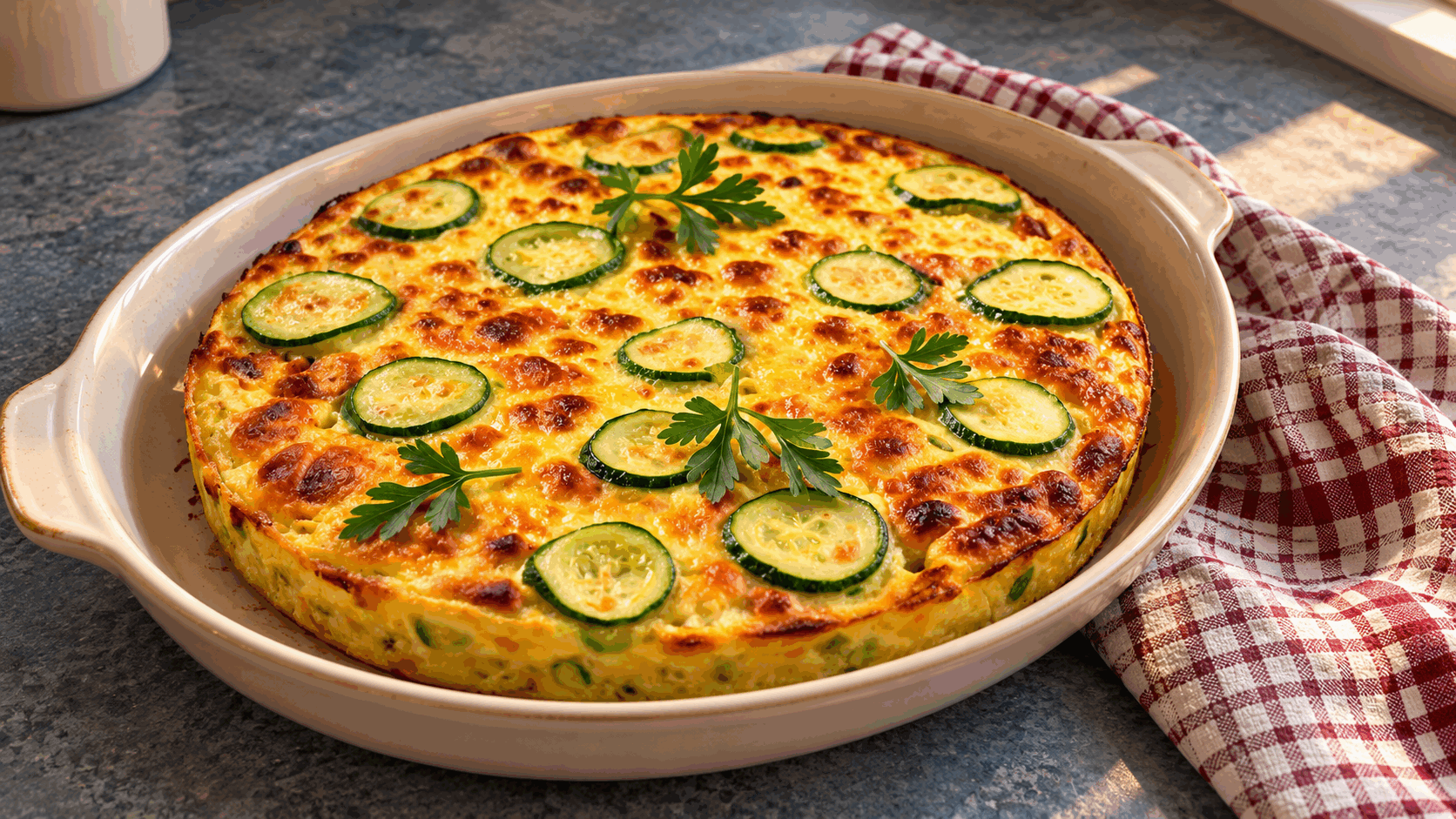
This round zucchini bake is the kind of recipe that turns a few everyday ingredients into something easy to slice and share. Grated zucchini is folded into a savory batter with eggs, cheese, and fresh herbs, then baked until the top is golden. There is no pastry crust to roll out and no separate filling to cook. Once it has rested, the bake can be cut into wedges like a simple vegetable torte.
The key is handling the zucchini before it reaches the mixing bowl. Grating creates plenty of surface area, but it also releases water. A short draining step keeps the finished torte tender instead of soggy and allows the cheese and herbs to come through. This version is designed for a standard round pan and includes practical checks for the batter, the center, and the best time to start slicing.
What makes this zucchini torte different
Unlike a quiche, this recipe has no separate crust and does not rely on a deep layer of custard. The flour, eggs, and zucchini form one mixture that bakes into a soft, sliceable round. It is also more substantial than a thin omelet, making it useful for lunch, a light dinner, or a savory item on a brunch table.
Expect a moist crumb with visible shreds of zucchini and small pockets of melted cheese. It will rise modestly, then settle slightly as it cools. That is normal. The goal is not a tall sponge cake; it is a balanced vegetable bake that holds together when lifted with a wide spatula.
Ingredients and pan size
- 1½ pounds zucchini, approximately 680 g, before draining.
- 3 large eggs.
- 1 cup all-purpose flour, approximately 125 g.
- ½ cup plain Greek yogurt, approximately 120 g.
- 4 ounces sharp cheddar, approximately 115 g, shredded.
- 3 scallions, finely sliced.
- 2 tablespoons olive oil.
- 1 teaspoon baking powder.
- 2 tablespoons chopped fresh parsley.
- ½ teaspoon paprika, black pepper, and a small amount of salt.
Use a 9-inch round cake pan with a solid bottom, or a similar shallow baking dish. Line the bottom with parchment and lightly grease the sides. A springform pan can work, but check that it closes securely. You will also need a box grater, a colander, a clean kitchen towel, and a mixing bowl.
Plan on about twenty minutes of preparation, including draining, and thirty-five to forty-five minutes in the oven. Add ten to fifteen minutes of resting time before cutting. The recipe makes six moderate wedges, or four larger portions when served as the main part of a meal.
Drain the zucchini without drying it completely
Wash the zucchini and trim the ends. Grate it on the large holes of a box grater. Leave the skin on young zucchini; it adds color and is usually tender. If a large zucchini has a soft, seedy center, remove that part first and weigh the usable flesh rather than including material you plan to discard.
Toss the shreds with a small pinch of salt and place them in a colander for ten minutes. Transfer to a clean towel and squeeze out the excess liquid in batches. You should remove a noticeable amount of water, but you do not need to make the shreds completely dry. They should still feel moist and flexible.
The listed weight refers to zucchini before draining. Do not add more raw zucchini afterward to restore that original weight, because this would introduce extra moisture and change the proportions. Fluff the squeezed shreds with a fork so they do not enter the batter as one tightly packed ball.
Mix the savory batter
Heat the oven to 375°F, or 190°C. In a large bowl, whisk the eggs, yogurt, and olive oil until combined. Stir in the scallions, parsley, paprika, and a few grinds of pepper. Add most of the cheddar, reserving a small handful for the top. Use salt sparingly, since the cheese and drained zucchini already contribute seasoning.
In a separate small bowl, combine the flour and baking powder. Add them to the egg mixture and stir just until no dry patches remain. Fold in the zucchini, separating the shreds as you go. The mixture should be thick enough to mound gently on a spoon but easy to spread into the pan.
If it seems unusually dry, add a tablespoon of yogurt. If liquid pools at the bottom, the zucchini probably needed more squeezing; a tablespoon of flour can help with a small imbalance, but several extra handfuls will make the torte heavy. Take a moment to assess the mixture rather than correcting it automatically.
Bake until the center is set
Spread the mixture evenly in the prepared pan and smooth the top. Scatter the reserved cheese over the surface. Keep the center at the same height as the edges so it cooks evenly. Place the pan on the middle oven rack and bake for thirty-five to forty-five minutes, beginning your checks toward the earlier end of that range.
The top should be golden, the edges set, and the center springy rather than liquid. A skewer inserted in the middle may pick up moisture from the zucchini, but it should not carry raw batter. If the cheese browns before the center is ready, cover the pan loosely with foil and continue baking.
Let the torte rest in the pan for ten to fifteen minutes. Run a thin spatula around the edge if needed, then cut into wedges. For the neatest slices, let it cool a little longer. Very hot portions are softer and may bend when lifted, even when they are fully cooked.
Troubleshooting texture and flavor
A wet layer near the bottom usually points to excess zucchini liquid, an overly deep pan, or an underbaked center. Check all three before changing the ingredient list. Using a much smaller pan creates a thicker torte that needs longer to cook and may brown outside before the center is done.
A dense or rubbery result can come from too much flour, prolonged mixing, or overbaking. Stir only as much as necessary, and avoid extending the baking time merely to achieve a dark crust. This recipe is supposed to remain tender. A little settling after cooling is expected and does not require adding more baking powder next time.
If the flavor seems mild, adjust the cheese or herbs in the next batch instead of adding a large amount of salt. Sharp cheddar gives a clearer flavor than a very mild cheese. Fresh scallions also bring more character than a batter containing only zucchini, flour, and eggs.
Variations that keep the proportions manageable
Replace parsley with dill for a different herbal note, or use a mixture of parsley and chives. A little grated lemon zest can brighten the finished dish without adding more liquid. Avoid pouring in lemon juice without accounting for the extra moisture; zest is the simpler choice here.
You can fold in a few chopped, well-drained sun-dried tomatoes. Keep the quantity modest so they complement rather than dominate the zucchini. If using feta in place of some cheddar, reduce the added salt. Watery ingredients such as large amounts of fresh tomato are better served alongside the torte than mixed into the batter.
For individual portions, divide the mixture among greased muffin cups. Start checking them earlier, because small portions cook faster. Let them rest before removing them, just as you would the full-sized torte. Do not assume a paper liner will peel cleanly while the savory cakes are still hot.
Serving, storage, and make-ahead options
Serve a warm wedge with a crisp salad dressed with lemon and olive oil. Sliced tomatoes or cucumber add a fresh contrast to the soft center. A spoonful of plain yogurt can be offered on the side, but the torte does not need a heavy sauce. Bread is optional, depending on how substantial you want the meal to be.
For packed lunches, cool the slices fully before placing them in a covered container. Keep salad and dressing separate, and maintain cold storage during transport. Refrigerate leftovers promptly and use within two days for the best texture. Reheat only the portions you need until hot throughout, protecting the surface from drying out.
You can grate and drain the zucchini ahead, then refrigerate it in a covered container until assembly. Mix the batter shortly before baking rather than leaving the baking powder in a wet mixture for many hours. Finished wedges can also be frozen separately and thawed in the refrigerator before reheating.
Questions before you start
Can I skip squeezing the zucchini?
It is better not to. The amount of water varies between vegetables, and squeezing makes the batter more predictable. Skipping this step may require extra flour, which changes the balance of the recipe.
Can I use yellow summer squash?
Yes, if it is young and firm. Grate and drain it in the same way, and remove a soft, oversized seed cavity if necessary. The color will change, but the method remains similar.
Is the torte meant to be eaten hot?
It can be served warm or cool. Warm slices are softer, while cooled slices hold their shape more firmly. Choose the serving temperature you prefer and keep the remaining portions refrigerated rather than leaving the whole torte on the table for an extended period.