Why Your Laundry Smells Bad: The Washing Machine Mistake Almost Everyone Makes
There is nothing more frustrating than opening the washing machine and discovering that freshly washed clothes still smell damp, sour, or musty. Many people immediately blame the detergent, the fabric softener, or the washing program.
In reality, the unpleasant smell often comes from the washing machine itself.
Moisture, detergent residue, lint, hair, and dirty water can slowly accumulate inside hidden parts of the appliance. Bacteria and mold then begin to grow, transferring unpleasant odors back onto your laundry during every wash.
The good news is that a few simple maintenance habits can make a major difference.
The Biggest Mistake: Closing the Door After Washing
One of the most common mistakes is closing the washing machine door immediately after removing the laundry.
The inside of the drum remains warm and damp after every cycle. When the door is closed, moisture becomes trapped inside the machine, creating the ideal environment for mold, mildew, and odor-causing bacteria.
After each wash:
- Remove the laundry as soon as the cycle ends.
- Leave the washing machine door slightly open.
- Keep the detergent drawer partially open as well.
- Allow the inside of the appliance to dry naturally.
This simple habit can significantly reduce musty odors.
Remove Wet Laundry Immediately
Leaving wet clothes inside the drum for several hours is another common cause of unpleasant smells.
Even freshly washed laundry can begin to develop a sour odor if it remains warm and damp inside the machine.
Try to remove clothes as soon as possible after the program finishes. If you forget them for several hours and they already smell stale, run a short rinse or wash cycle again before drying them.
Clean the Drain Pump Filter Regularly
The pump filter is one of the dirtiest and most frequently neglected parts of a washing machine.
It may collect:
- Hair
- Lint
- Coins
- Buttons
- Tissue fragments
- Small objects
- Detergent residue
- Dirty standing water
Over time, this buildup can create strong odors and may even affect drainage.
How to Clean the Filter
The exact procedure varies by machine, so always check the appliance manual first.
Generally, you should:
- Switch off and unplug the washing machine.
- Place an old towel on the floor.
- Position a shallow tray beneath the filter compartment.
- Slowly open the drainage hose or filter cover.
- Allow the dirty water to drain completely.
- Remove the filter.
- Clean it with warm water and an old brush.
- Remove any hair, lint, or trapped objects.
- Wipe the filter housing.
- Reinstall everything securely.
Cleaning the filter approximately once a month can help prevent odors and drainage problems.
Clean the Detergent Drawer
Detergent and fabric softener often remain inside the dispenser drawer after washing. This sticky residue can become a breeding ground for bacteria and mold.
Remove the drawer if your machine allows it, then rinse it with warm water.
Use an old toothbrush to clean:
- The detergent compartments
- The fabric-softener section
- Small water channels
- Corners and narrow openings
If mineral deposits are present, apply a little diluted white vinegar, leave it briefly, and rinse thoroughly.
Do not forget to wipe the space inside the machine where the drawer normally sits.
Inspect the Rubber Door Seal
The rubber gasket around the washing machine door can hide an alarming amount of dirt.
Water, hair, lint, coins, and small objects often become trapped inside its folds. If these areas remain damp, dark mold and unpleasant odors may develop.
How to Clean the Seal
- Pull the rubber folds back carefully.
- Remove visible hair, lint, and debris.
- Wipe the area with a damp microfiber cloth.
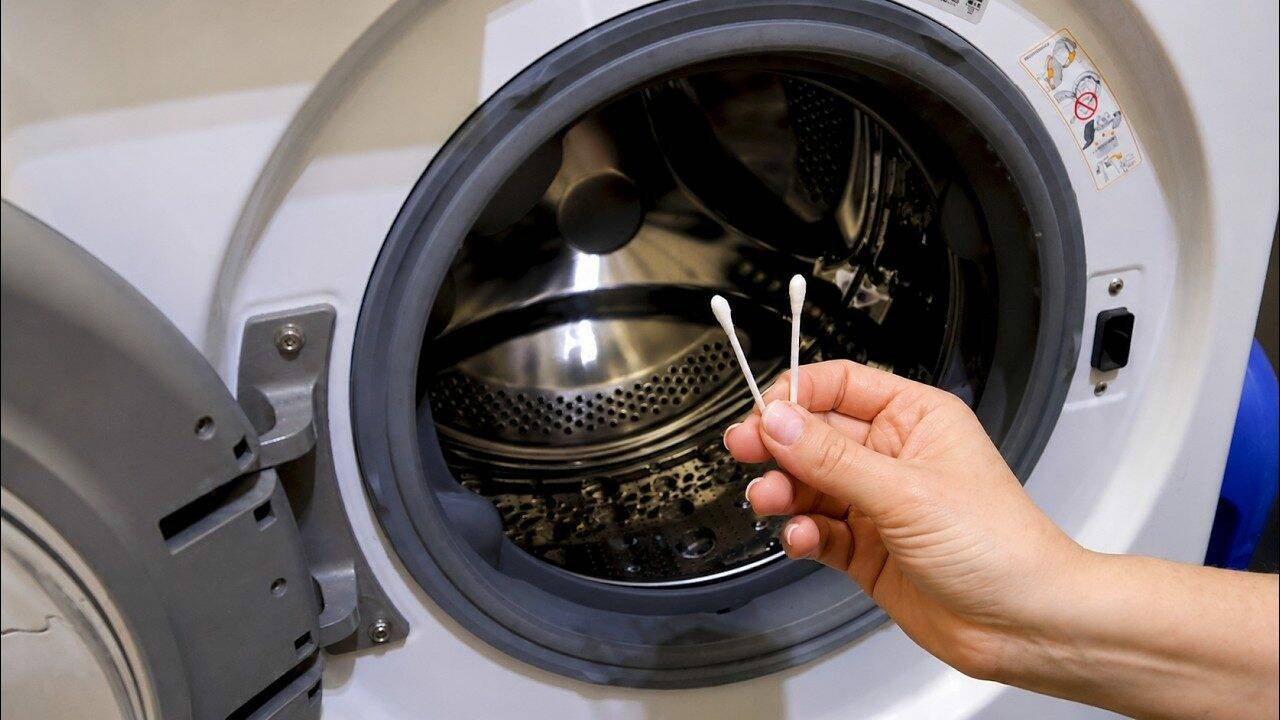
- Use cotton swabs for narrow grooves.
- Dry the seal thoroughly.
For light buildup, warm soapy water may be enough. For more persistent residue, use a washing-machine-safe cleaner according to its instructions.
Avoid sharp tools that could puncture or damage the rubber.
Wipe the Door and Glass
The inside of the washing machine door can also collect detergent, hair, and dirty water.
Wipe both sides of the glass with warm water and a small amount of dish soap. Clean around the edges and hinges before drying everything with a clean cloth.
Regularly wiping the door prevents residue from hardening.
Run an Empty Maintenance Cycle
Even when the visible parts of the machine look clean, residue may remain inside the drum, pipes, and outer tub.
Many manufacturers recommend running an empty maintenance cycle periodically.
You can use:
- A washing-machine cleaning product
- The manufacturer’s recommended descaler
- A dedicated hygiene-cleaning program
Follow the cleaner’s instructions carefully. Some products should be placed in the detergent drawer, while others go directly into the drum.
A hot empty cycle at 60°C or 90°C may be appropriate for certain machines, but always check the appliance manual first.
Be Careful with Vinegar and Baking Soda
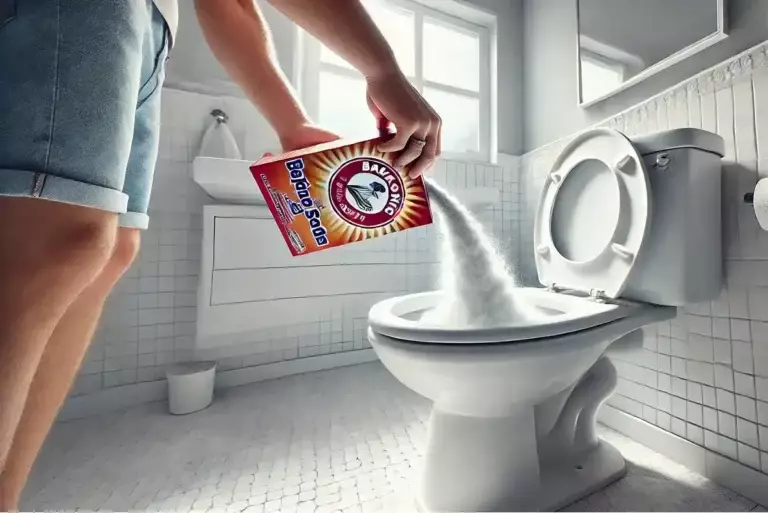
Vinegar and baking soda are frequently recommended for washing-machine cleaning. However, they should not automatically be combined.
When mixed together, they react and largely neutralize one another. The foaming may look powerful, but it does not necessarily provide stronger cleaning.
Vinegar may help with some mineral deposits, while baking soda may help neutralize odors. It is better to use them separately and only if the machine manufacturer permits it.
Frequent use of strong vinegar solutions may also affect certain rubber seals and metal components.
Avoid Using Too Much Detergent
More detergent does not always produce cleaner clothes.
Excess detergent may not rinse away completely, especially during short or low-temperature cycles. It can accumulate inside the machine, trap bacteria, and leave both the drum and clothing smelling unpleasant.
Use the amount recommended for:
- The size of the laundry load
- The level of dirt
- Your local water hardness
- The concentration of the detergent
If clothes feel slippery, stiff, or heavily scented after washing, you may be using too much product.
Do Not Overuse Fabric Softener
Fabric softener can leave a waxy coating inside the dispenser, drum, pipes, and fabrics.
This residue may trap odors and contribute to buildup over time.
Use only the recommended amount. Towels, sportswear, microfiber cloths, and moisture-wicking fabrics often perform better without fabric softener.
Choose the Correct Washing Temperature
Constantly washing at very low temperatures may allow greasy residue and bacteria to accumulate inside the machine.
Low-temperature cycles are useful for lightly soiled clothes and energy savings, but the appliance may still benefit from an occasional hotter maintenance wash.
Wash towels, bedding, and other suitable fabrics at the highest safe temperature shown on their care labels.
Let the Machine Dry Between Uses
After cleaning the washing machine:
- Dry the rubber seal.
- Leave the door open.
- Keep the detergent drawer slightly open.
- Remove standing water from the dispenser.
- Avoid storing wet items inside the drum.
The goal is to prevent moisture from remaining trapped inside the appliance.
A Simple Washing Machine Maintenance Schedule
After Every Wash
- Remove laundry promptly.
- Check that nothing remains inside the drum.
- Wipe excess water from the rubber seal.
- Leave the door and detergent drawer open.
Once a Week
- Wipe the door glass.
- Clean visible detergent residue.
- Check the seal for trapped objects.
- Wash the detergent drawer if necessary.
Once a Month
- Clean the drain pump filter.
- Inspect the filter housing.
- Run a maintenance cycle if recommended.
- Check for mold, limescale, or unusual odors.
Every Three Months
- Perform a deeper cleaning.
- Inspect water inlet and drainage areas.
- Check hoses for leaks or damage.
- Use a dedicated washing-machine cleaner according to its label.
What to Do If the Smell Remains
Persistent odors may indicate a deeper problem.
Possible causes include:
- A partially blocked drain hose
- Dirty plumbing
- Standing water inside the appliance
- Heavy mold behind the drum
- A drainage-pump problem
- Incorrect hose installation
If the machine still smells after a thorough cleaning, or if water is not draining properly, contact an appliance technician.
Final Thoughts
Bad-smelling laundry is not always caused by poor detergent or dirty clothes. In many cases, the real source is a damp, poorly maintained washing machine.
Leaving the door open, removing wet laundry quickly, cleaning the pump filter, washing the detergent drawer, and wiping the rubber seal can prevent most odor problems.
Regular maintenance does more than keep the appliance smelling fresh. It can also improve washing performance, protect your clothes, and help the machine last longer.