Lantana: The Colorful Garden Plant That May Help Keep Mosquitoes Away
If you’re looking for a beautiful plant that can also make your outdoor space less attractive to mosquitoes, Lantana is worth considering. Known for its vibrant clusters of flowers and aromatic foliage, this hardy ornamental plant is popular in warm climates and is often included in gardens for both its decorative appeal and its potential insect-repelling properties.
While no plant can completely eliminate mosquitoes on its own, Lantana may help reduce their presence when combined with good garden maintenance and other mosquito-control measures.
Why Gardeners Love Lantana
Lantana is much more than a flowering shrub. It offers months of colorful blooms, attracts beneficial pollinators, and thrives even in hot, dry conditions.
Its main features include:
Bright, Long-Lasting Flowers
Lantana produces dense flower clusters in shades of:
- Yellow
- Orange
- Red
- Pink
- Purple
- White
Many varieties even change color as the flowers mature, creating a striking display throughout the growing season.
Fragrant Leaves
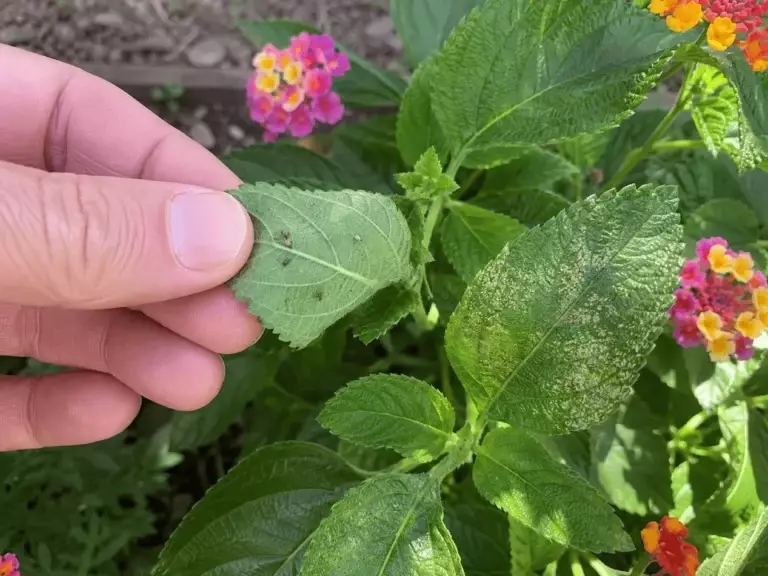
The rough-textured leaves release a strong herbal scent when touched or crushed.
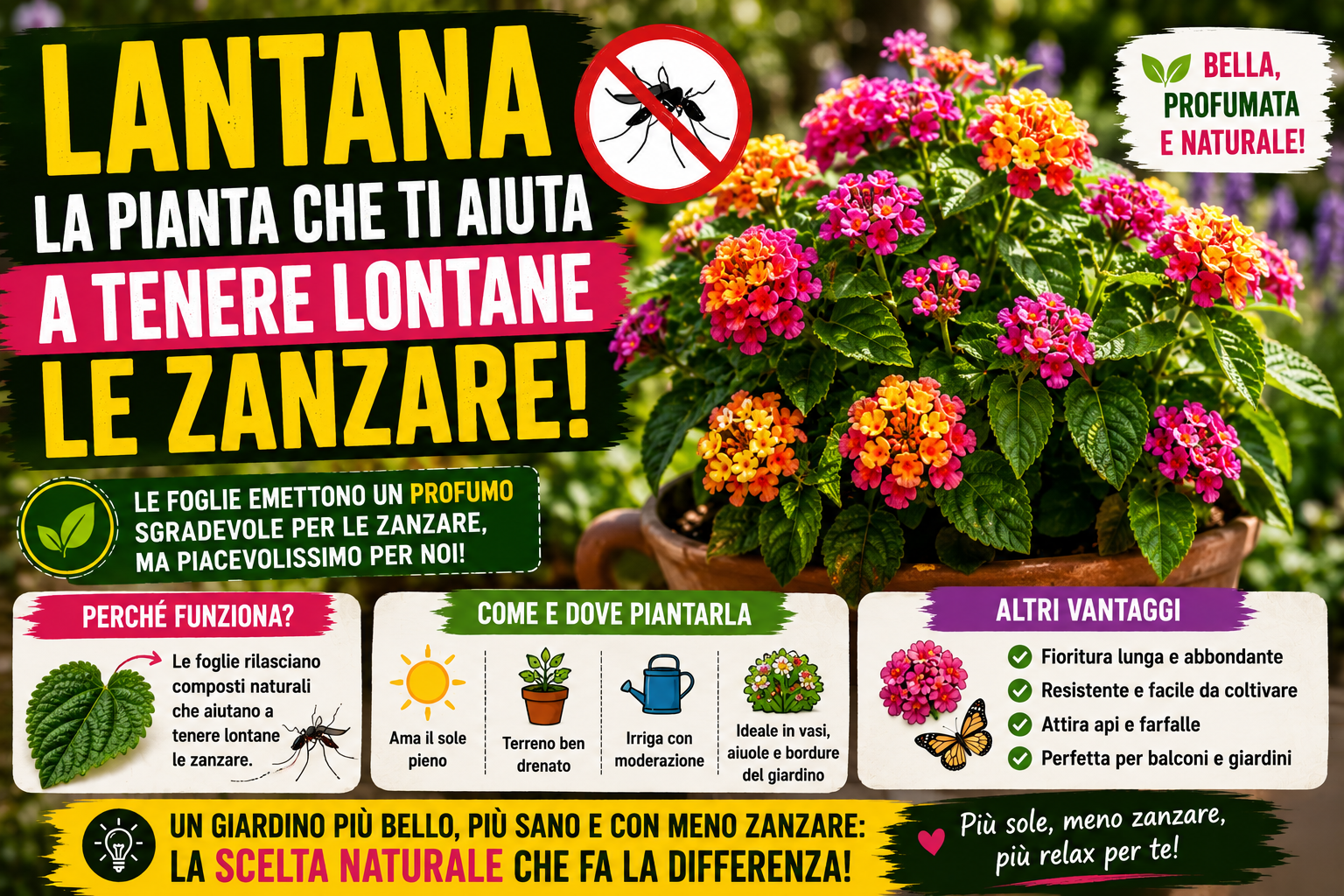
This aroma comes from naturally occurring volatile compounds that some studies suggest may be unpleasant to mosquitoes and certain other insects.
Decorative Berries
After flowering, Lantana develops small berries that gradually turn dark as they ripen.
Important: The berries can be toxic if eaten in large quantities, particularly by children and pets, so plant them with care in family gardens.
How Lantana May Help Reduce Mosquito Activity
Mosquitoes locate people by detecting carbon dioxide, body heat, and skin odors.
Lantana leaves naturally produce aromatic compounds that may interfere with this process by making the surrounding area less attractive to mosquitoes.
Researchers have identified several naturally occurring compounds in Lantana, including:
- Linalool – a fragrant terpene also found in lavender and basil.
- Beta-caryophyllene – a naturally occurring compound present in many aromatic plants.
- Limonene – a citrus-scented compound commonly used in natural insect-repellent products.
Together, these compounds may contribute to the plant’s characteristic fragrance and help discourage mosquitoes from lingering nearby.
However, it’s important to remember that planting Lantana alone will not completely prevent mosquito bites. It works best as one part of a broader mosquito-control strategy.
Where to Plant Lantana
To encourage healthy growth and abundant flowering, choose the right location.
Lantana performs best in:
- Full sun (at least 6 hours daily)
- Well-drained soil
- Warm, sheltered locations
- Garden borders
- Flower beds
- Containers on patios or balconies
Because it tolerates heat and drought well once established, it’s an excellent choice for sunny outdoor spaces.
How to Grow Healthy Lantana
Lantana is considered an easy-care plant suitable for both beginners and experienced gardeners.
Sunlight
Plant it in a location that receives plenty of direct sunlight throughout the day.
More sunlight generally means more flowers.
Soil
Lantana adapts to many soil types but performs best in light, well-drained soil.
Avoid areas where water remains after rainfall.
Watering
Water regularly while the plant is becoming established.
Once mature, allow the soil to dry slightly between waterings, as Lantana dislikes constantly wet roots.
Pruning
Trim the plant regularly to:
- Maintain a compact shape.
- Encourage bushier growth.
- Promote continuous flowering.
- Remove faded flower clusters.
Light pruning throughout the season often results in more blooms.
Fertilizing
Apply a balanced fertilizer every four to six weeks during the active growing season to support vigorous growth and flowering.
More Than Just a Mosquito Plant
Lantana offers several additional benefits for the garden.
It is:
- Heat tolerant
- Drought resistant
- Easy to maintain
- Long flowering
- Attractive to butterflies
- Popular with bees and other pollinators
Its continuous blooms also add vibrant color from late spring until autumn in many regions.
A Few Things to Keep in Mind
Although Lantana is admired in many gardens, it is not suitable everywhere.
In some countries and regions, certain species of Lantana are considered invasive because they spread rapidly and can outcompete native plants.
Before planting, check whether Lantana is recommended—or restricted—in your local area.
A Beautiful Addition to a Mosquito-Friendly Garden
Lantana combines colorful flowers, hardy growth, and fragrant foliage in one attractive plant. While it should not be viewed as a complete solution for mosquito control, it may help make your outdoor space less appealing to mosquitoes while supporting beneficial insects like bees and butterflies.
For the best results, combine Lantana with other mosquito-reducing practices such as eliminating standing water, maintaining healthy plants, and encouraging natural predators. Together, these steps can help create a more comfortable and enjoyable garden throughout the warmer months.